 Jun 20, 2025 - 0
Minutes read
Jun 20, 2025 - 0
Minutes read
Are Michelin Tires Worth It? Mileage, Grip, and Comfort Tested
First Impressions: What Sets Michelin Tires Apart
At first glance, Michelin tires emphasize engineering over visual appeal. Their design centers on real-world performance—reliability across thousands of miles, variable weather, and daily driving conditions.
Some of our links may be affiliate links and if you buy through our link, we might generate some commissions.
Engineering Focused on Consistency
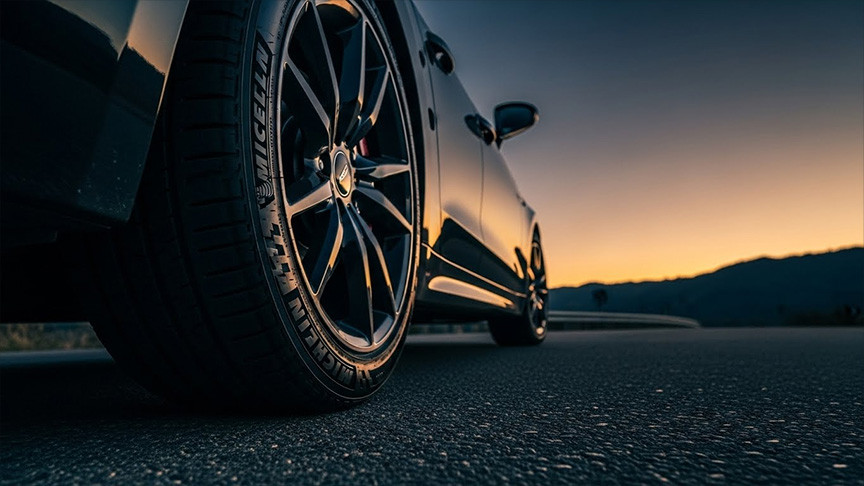
Michelin doesn't just design for peak performance when new. Their tires are engineered to stay reliable as they wear.
Tread design includes shaped grooves and reinforced blocks for water management and stability.
Rubber compounds are formulated to balance durability and flexibility across temperatures.
The result is predictable grip and long-term performance.
Built for Long-Term Road Confidence
Michelin tires are known for a smooth, composed feel thanks to internal construction choices.
Reinforced sidewalls and optimized casing distribute stress evenly.
Minimal vibration and steady feedback enhance control.
Ideal for drivers seeking a refined, consistent ride experience.
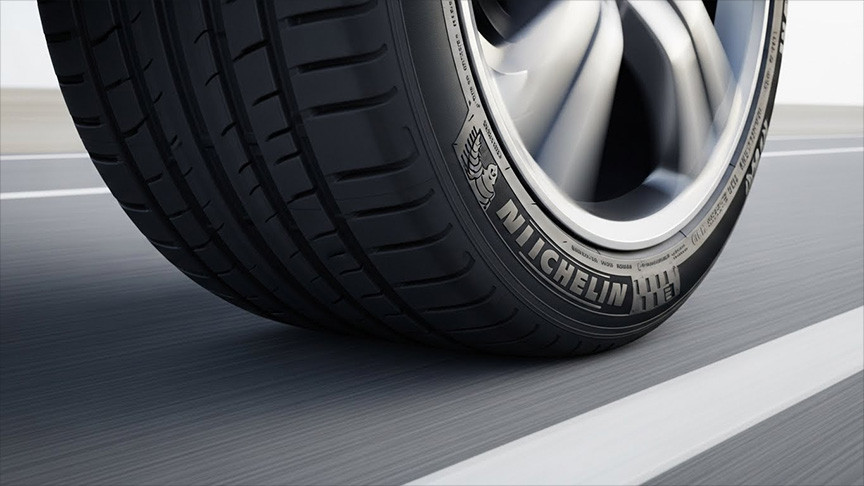
Michelin separates itself not just by lasting longer, but by delivering better value per mile.
Tread Life Expectations vs. Real-World Use
Touring tires often come with 60,000–80,000 mile warranties.
Performance models aim for a balance between grip and lifespan.
Real-world results show Michelin frequently meets or exceeds these targets—when properly maintained.
How Michelin Compares
Many cheaper tires start strong but wear faster or unevenly.
Michelin maintains usable grip deeper into the tire’s life.
Performance tires show especially noticeable long-term advantages.
Cost Per Mile: A Smarter Metric
Though more expensive upfront, Michelin often lasts 15–25% longer.
Fewer replacements, less downtime, and consistent performance shift the value equation.
Dry Grip Performance: Stability at Speed
Michelin prioritizes confidence and precision over raw aggressiveness on dry roads.
Highlights:
Controlled acceleration: Stable contact patches reduce wheel spin.
Predictable braking: Grip stays consistent under forward weight shifts.
Responsive steering: Reinforced shoulders and smart tread tuning.
Composure at speed: Internal construction supports smooth, stable highway handling.
Bottom line: Michelin delivers dry grip that’s steady, reliable, and well-balanced across conditions.
Wet Grip & Safety: Confidence When Conditions Change
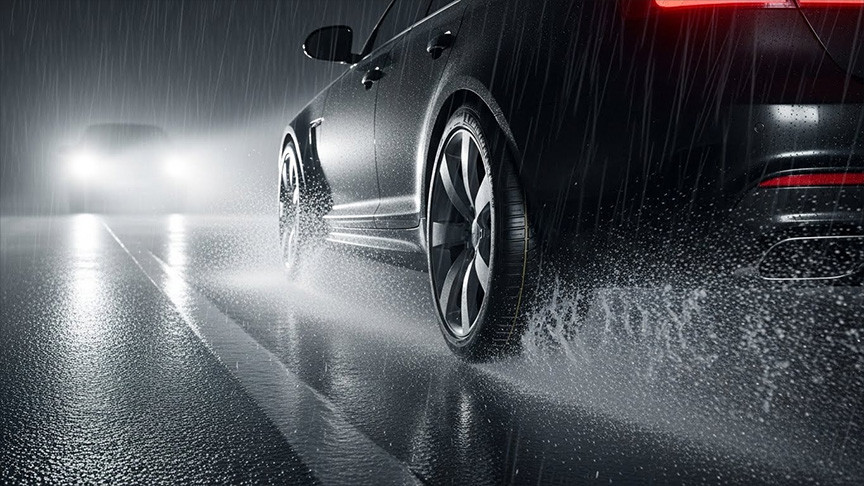
Michelin designs wet-weather performance to remain effective even as tires wear—critical for safety.
Wet Traction Design
Water-channeling treads keep more rubber in contact with the road.
Hydroplaning resistance is built to last deeper into the tire’s life.
Progressive wet braking reduces risk during emergency stops.
Internal structure supports predictable control during rain or evasive maneuvers.
Safety takeaway: Michelin ensures wet grip remains dependable—not just early on, but throughout the tire’s lifespan.
Comfort on Daily Drives: Noise, Vibration, and Ride Quality
Comfort is one of Michelin’s most refined strengths—making daily drives quieter and smoother over time.
Everyday Comfort Features
Tread design minimizes road noise, especially on highways.
Sidewalls and casings absorb impacts for a softer ride over bumps.
Long-distance consistency: Comfort holds up as miles accumulate.
Maintains a balance between ride smoothness and steering control.
Comfort takeaway: Michelin tires are built to reduce fatigue and deliver ride quality that lasts.

Balancing Grip and Longevity: The Engineering Trade-Off
Where most tires force a choice between grip and lifespan, Michelin strategically balances both.
How Michelin Minimizes the Trade-Off
Multi-layer compounds combine top-level grip with heat- and wear-resistant bases.
Stable tread blocks distribute forces evenly to reduce premature wear.
Internal structure minimizes pressure points and extends tire life.
Understanding the Limits
Touring models favor comfort and longevity over razor-sharp grip.
Performance models may wear faster but still outlast many rivals in their class.
Engineering takeaway: Michelin’s balanced design delivers grip and longevity without dramatic trade-offs.
Who Benefits Most from Michelin Tires?
Michelin offers the best value for drivers who prioritize long-term reliability over short-term savings.
Ideal Use Cases
Daily commuters: Appreciate even wear, wet traction, and fewer surprises.
High-mileage drivers: Benefit from stable handling and lower replacement frequency.
Safety-focused families: Get peace of mind from consistent traction and controlled braking.
Performance enthusiasts: Enjoy sporty handling without giving up durability.
When Michelin Makes the Most Sense
You keep your vehicle long-term
You drive high annual mileage
You value predictability, safety, and consistency
Bottom line: Michelin suits drivers who want long-term value over bargain-bin pricing.
Michelin vs Other Premium Tires: Is the Price Justified?
Michelin competes not just on brand name but on measurable long-term value.
Where Michelin Excels
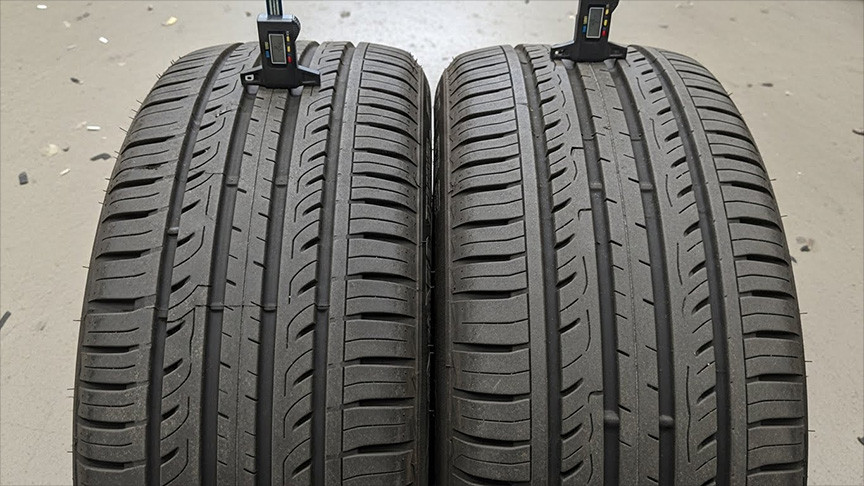
Mileage and wear: Tread tends to wear more evenly, extending lifespan.
Grip over time: Performance remains stable, especially in wet conditions.
Comfort retention: Ride quality and quietness last longer than many competitors.
When the Price May Not Be Justified
You drive low mileage annually
You frequently replace vehicles
You want aggressive short-term grip over longevity
Value verdict: For most long-term drivers, Michelin’s higher price is offset by slower wear and dependable performance.
Final Verdict: Are Michelin Tires Worth the Investment?
When you factor in mileage, grip, and comfort, Michelin offers a well-rounded, long-term tire solution. Their value doesn’t just come from how long they last—but how well they perform while lasting.
Michelin tires are engineered for:
Even tread wear, reducing the frequency of replacements
Stable grip, both dry and wet, even as the tire ages
Sustained comfort, keeping rides smooth and quiet over the years
The bottom line: If you value reliability, durability, and consistent road behavior, Michelin tires are worth the investment. While not the cheapest option, their performance often pays off for drivers focused on long-term quality over short-term savings.