 Jun 30, 2025 - 0
Minutes read
Jun 30, 2025 - 0
Minutes read
Are OXO Kitchen Tools Really Ergonomic? A Real-Life Daily Use Review
Why Ergonomics Matter in Everyday Cooking (Not Just Big Cooking Days)
Ergonomics in the kitchen are often associated with long cooking sessions—holiday meals, weekend meal prep, or entertaining guests. In reality, everyday cooking is where ergonomics matter most. The tools you use for daily prep shape how comfortable, efficient, and sustainable your cooking routine feels over time.
Some of our links may be affiliate links and if you buy through our link, we might generate some commissions.
How Repetitive Kitchen Tasks Expose Poor Tool Design
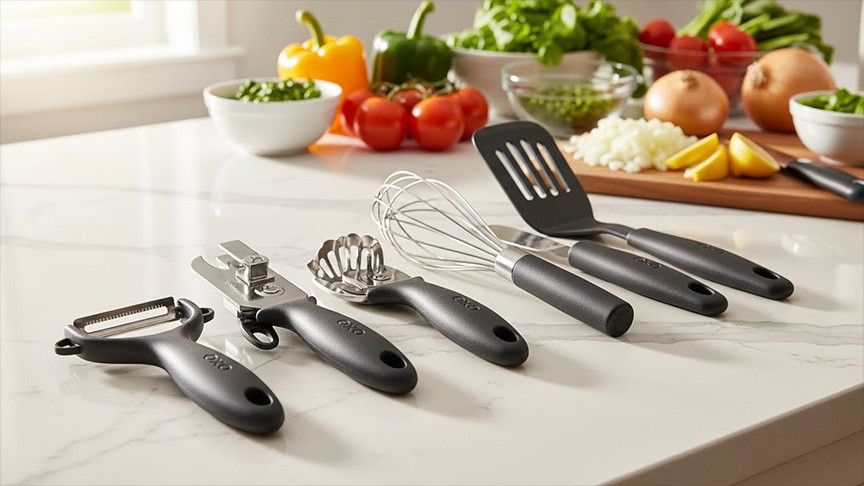
Kitchen strain rarely comes from a single long session. It builds gradually through repetition—chopping vegetables, peeling produce, stirring sauces, and scraping bowls several times a week.
Poorly designed tools often result in:
Wrist strain from forced or awkward hand positions
Hand fatigue caused by narrow, rigid, or slippery handles
Uneven pressure that overworks fingers instead of distributing effort evenly
Over time, these small stresses can lead to discomfort and reduced control. Brands that prioritize ergonomic design, including OXO, focus on minimizing strain so everyday prep feels easier and more natural.
What “Ergonomic” Actually Means in Daily Chopping, Peeling, and Stirring
In everyday cooking, ergonomic design isn’t about aesthetics or buzzwords—it’s about how a tool performs during real use. When tools are designed for daily tasks, ergonomics typically include:
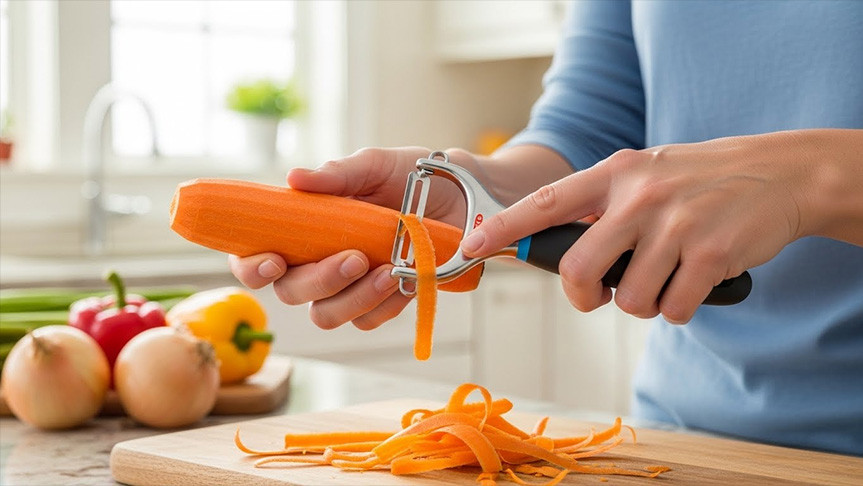
Natural wrist alignment to reduce unnecessary bending
Comfortable, contoured handles that support a relaxed grip
Balanced weight distribution for better control
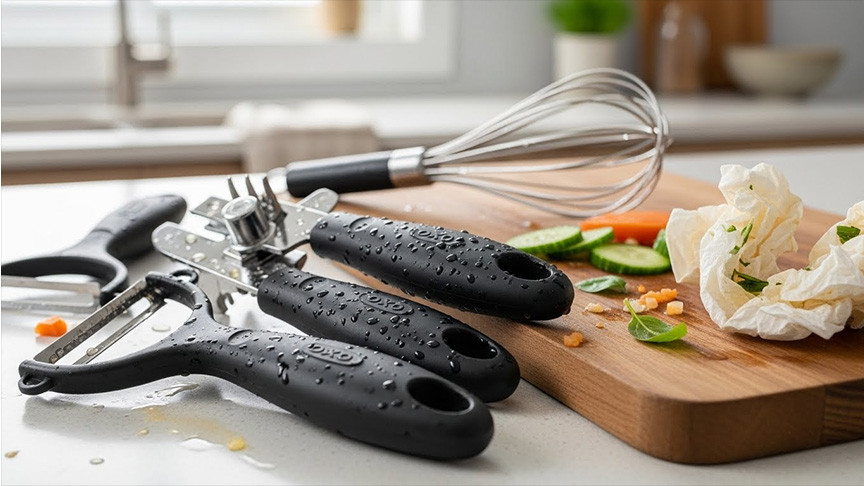
Non-slip materials that remain secure, even with wet hands
These features help reduce fatigue and improve consistency, especially during repetitive motions that make up most home cooking.
The Difference Between Showroom Appeal and Real-Life Comfort
Many kitchen tools are designed to stand out visually—sleek profiles, minimalist handles, and polished finishes. While attractive on the counter, these designs don’t always translate to comfort during regular use.
Real-life comfort prioritizes:
Handles shaped for function, not just form
Materials chosen for grip and control, not just appearance
Designs tested for daily repetition, not occasional use
Ergonomic tools may not always be the most visually striking, but they’re built to perform where it matters most—in your hands, day after day.
First Impressions After a Week of Daily Use
Using kitchen tools every day quickly reveals whether their design truly supports comfort—or simply looks good at first glance. After a week of regular chopping, stirring, scraping, and peeling, subtle design choices become much more noticeable, especially during routine tasks.
Grip Feel Straight Out of the Drawer
One of the first things you notice with well-designed tools is how they feel before you even start cooking. The grip should feel natural immediately, without requiring adjustment or conscious effort.
With tools from OXO, the handles generally feel comfortable right away—soft enough to reduce pressure, but structured enough to maintain control. There’s no need to grip tightly, which helps prevent hand fatigue during longer prep sessions.
Weight Balance During Common Tasks
Weight balance becomes especially important during everyday actions like stirring sauces, scooping ingredients, or chopping vegetables. Poor balance can make tools feel awkward or tiring, even if they’re lightweight.
A well-balanced tool feels stable in motion, allowing your hand and wrist to guide the movement naturally. Over a week of use, this balance helps keep tasks feeling consistent rather than effortful.
Intuitive Use Without a Learning Curve
Kitchen tools should feel intuitive from the first use. If a utensil requires adjustment, repositioning, or extra thought, it can slow down even the simplest tasks.
Ergonomic tools are designed to work with natural hand movements. When a tool aligns with familiar motions, daily cooking feels smoother and more comfortable, even when you’re multitasking or moving quickly.
After a week of daily use, it becomes clear that thoughtful ergonomic design directly affects how sustainable everyday cooking feels.
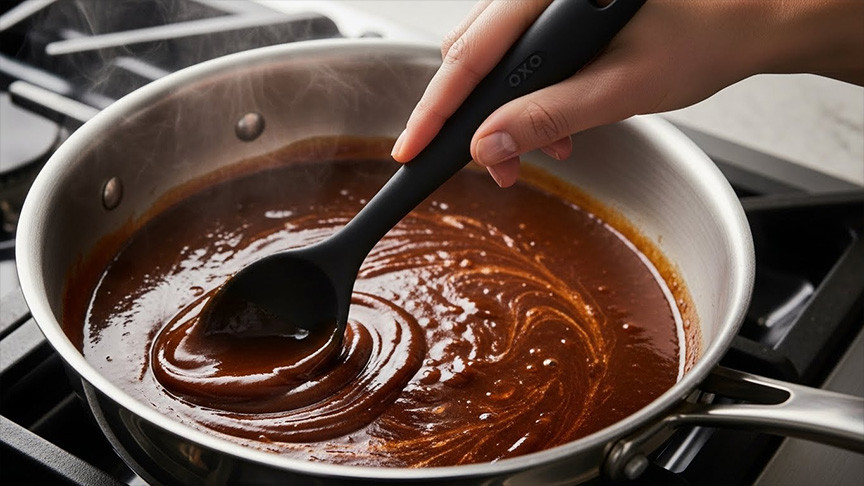
Handle Design Under the Microscope: Comfort Over Time
When it comes to everyday kitchen tools, handle design is where ergonomics truly prove their value. Comfort isn’t just about first impressions—it’s about how a tool performs after repeated use, especially when hands are wet, oily, or tired.
Soft, Non-Slip Grips During Wet or Greasy Cooking
Daily cooking rarely happens under perfect conditions. Water, oil, and food residue can quickly make smooth or rigid handles harder to control.
OXO tools are designed with these realities in mind. Their handles prioritize traction and comfort, helping tools stay secure even when conditions aren’t ideal—without feeling bulky or awkward.
How OXO Good Grips Handles Perform During Longer Prep Sessions
Handle comfort becomes more noticeable during longer prep sessions, such as chopping multiple ingredients or prepping meals in batches. Narrow or hard handles often create pressure points in the palm and fingers.
OXO Good Grips handles are shaped to distribute pressure more evenly across the hand. This reduces the need to constantly readjust your grip, allowing prep work to feel steadier over time.
Hand Fatigue: Noticeable or Negligible After Repeated Use
Hand fatigue is one of the clearest indicators of ergonomic success. With poorly designed tools, fatigue tends to build gradually.
With cushioned, balanced handles, fatigue is generally minimal rather than cumulative. While no kitchen task is entirely effortless, thoughtful handle design helps reduce unnecessary strain during daily cooking.
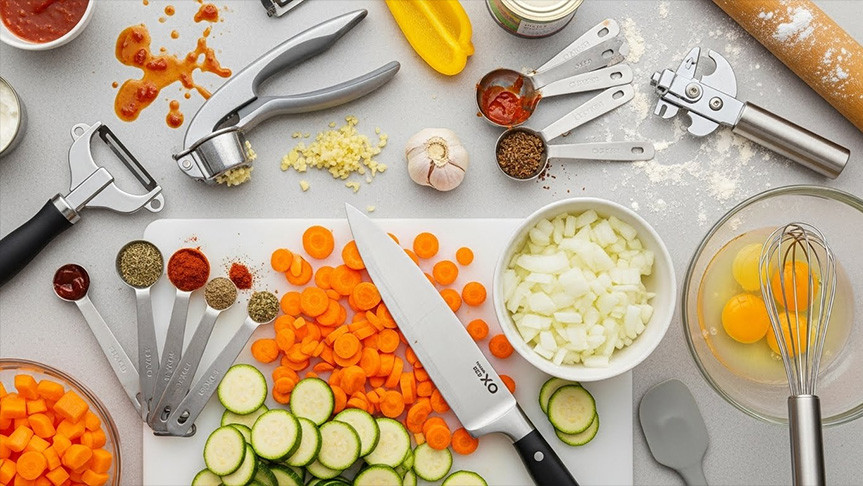
Real-Life Tasks That Reveal Ergonomic Flaws (or Strengths)
Ergonomics show up most clearly during everyday cooking—the quick, repetitive tasks that rarely get much thought.
Peeling Vegetables for Weekday Meals
Peeling may seem minor, but it quickly exposes wrist strain and grip issues.
Neutral wrist positioning reduces unnecessary bending
Secure, non-slip handles prevent over-gripping
Lightweight balance helps maintain control
Tools from OXO are designed to keep peeling efficient without adding extra hand fatigue.
Stirring Thick Sauces and Batters
Heavier mixtures increase resistance, making handle shape and balance especially important.
Even pressure distribution prevents palm discomfort
Balanced weight improves control during continuous stirring
Comfortable grips reduce constant grip adjustment
Well-designed tools help stirring feel steady rather than strenuous.
Tongs, Spatulas, and Ladles During High-Heat Cooking
High-heat environments demand confidence and control.
Non-slip grips maintain stability over hot pans
Responsive balance improves flipping and turning precision
Comfortable handles reduce strain during repeated motions
Ergonomic designs help you focus on timing—not managing the tool.
One-Handed Use When Multitasking
Multitasking is a daily reality in the kitchen.
Balanced tools stay stable with minimal effort
Intuitive handle shapes support natural movements
Lighter grip pressure improves one-handed control
When tools feel natural to use, multitasking becomes easier.
Left-Handed and Small-Hand Friendly? Daily Inclusivity Test
Inclusive ergonomics become apparent during everyday use. Tools that support different hand sizes and dominant hands feel intuitive without adjustment.
Ambidextrous Design in Practice
Many tools unintentionally favor right-handed users. OXO’s designs tend to avoid this by focusing on symmetry and neutral hand positioning, allowing left- and right-handed users to use the same tools comfortably.
Button Placement, Grip Thickness, and Control
Inclusive ergonomic design considers:
Button placement reachable without shifting grip
Grip thickness that supports smaller hands
Balanced resistance that doesn’t require excess strength
These elements help tools feel manageable rather than demanding.
How Inclusive Ergonomics Show Up in Everyday Cooking
Inclusive design shows up as:
Comfort regardless of hand dominance
Less strain during repetitive tasks
Greater confidence during quick prep
When ergonomics are inclusive, everyday cooking feels more accessible.
Cleaning, Storage, and Grip Longevity
Ergonomics don’t stop at use—they depend on how comfort holds up over time.
Does the Soft Grip Degrade With Frequent Washing?
With regular washing, low-quality soft grips may harden or become slick. With OXO tools, the grip texture generally remains consistent, even with frequent cleaning.
Dishwasher Cycles vs. Hand Washing
Hand washing helps preserve grip texture
Dishwasher-safe designs offer convenience
Occasional dishwasher use doesn’t typically affect comfort
Basic care helps extend ergonomic performance.
Does Comfort Change After Months of Use?
Poor designs often degrade over time. With well-designed tools, comfort tends to remain stable. After months of use, grips feel familiar rather than worn out.
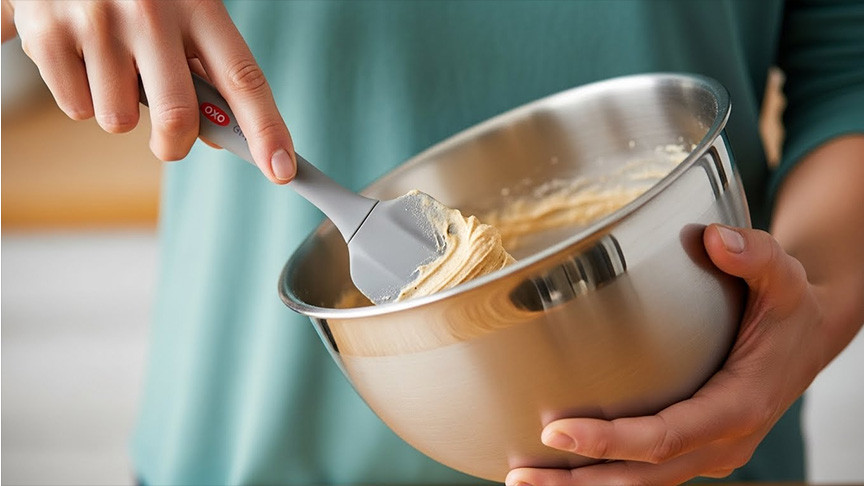
Ergonomics vs. Durability: Do Comfortable Tools Last?
Comfortable tools are sometimes seen as less durable, but durability is also about how well a tool performs over time.
Signs of Wear From Daily Cooking
Common wear includes:
Light surface scuffing
Slight smoothing of frequently handled areas
Cosmetic grip changes
With OXO tools, this wear is mostly cosmetic rather than functional.
Are Softer Handles More Prone to Aging?
Quality soft grips are designed to age gradually. Rather than becoming slippery or brittle, they tend to maintain flexibility when cared for properly.
Long-Term Usability vs. Hard, Minimalist Tools
Hard handles resist wear but can cause discomfort
Softer grips reduce strain during repeated use
Comfort-focused tools encourage lighter grip pressure
In daily cooking, tools that balance comfort and durability tend to remain the most usable.
Who Benefits Most From OXO’s Ergonomic Design?
Ergonomic tools aren’t one-size-fits-all, but some users notice the benefits more quickly.
Home Cooks Who Prep Daily
For frequent cooks, small efficiencies add up. OXO tools:
Reduce grip pressure
Support natural wrist positioning
Feel intuitive
Over time, everyday cooking feels less tiring and more sustainable.
People With Wrist Strain or Arthritis
Ergonomic tools can help reduce discomfort by:
Minimizing pressure points
Improving control without squeezing
Reducing strain during repetitive tasks
They’re not a medical solution, but they can make daily cooking more manageable.
Busy Households vs. Occasional Cooks
In busy kitchens, ergonomic design helps tools feel accessible to different users. Occasional cooks may notice the difference less immediately, but comfort still improves the experience.
The Honest Verdict: Are OXO Kitchen Tools Actually Ergonomic in Real Life?
Ergonomic claims are easy to make—but harder to validate through daily use. When evaluated through everyday cooking rather than ideal conditions, OXO’s approach shows clear strengths and realistic limits.
Where the Ergonomic Design Genuinely Shines
Comfortable, non-slip grips
Balanced weight for natural movement
Intuitive designs with no learning curve
These advantages are most noticeable during repetitive tasks.
Where Expectations May Exceed Reality
Some tools are heavier than minimalist options
Soft grips prioritize comfort over slim profiles
Benefits are cumulative rather than dramatic
Final Takeaway Based on Daily—not Ideal—Use
When judged by everyday cooking, OXO kitchen tools largely deliver on their ergonomic promise. They don’t aim to impress visually or reinvent cooking—but to reduce friction in daily prep.
For home cooks who value comfort, control, and long-term usability, OXO’s ergonomic design proves practical, reliable, and quietly effective—one small task at a time.