 Jul 10, 2025 - 0
Minutes read
Jul 10, 2025 - 0
Minutes read
Drink Clean, Spend Less: Brita Water Filter Review for Health-Conscious Households
Why Clean Water Matters: Health Risks of Tap Water Contaminants
Tap water in many regions meets basic safety standards, but that doesn't always mean it's free from harmful substances. From heavy metals to microbial pathogens, common contaminants can pose significant health risks—especially with long-term exposure.
Some of our links may be affiliate links and if you buy through our link, we might generate some commissions.
Common Tap Water Impurities
Even treated water can carry trace amounts of contaminants, including:
Lead – Often leaches from aging pipes and plumbing fixtures; long-term exposure can impact brain development in children and cause kidney damage in adults.
Chlorine and Chloramine – Used as disinfectants, these chemicals can cause skin irritation and impact taste and odor.
Microorganisms – While rare in treated systems, bacteria like E. coli or Giardia can sometimes enter through compromised infrastructure.
Volatile Organic Compounds (VOCs) – Industrial runoff and agricultural chemicals can introduce VOCs, which are linked to various health concerns, including liver and kidney damage.
Pesticides and Herbicides – Rural areas are especially at risk due to agricultural runoff entering the water supply.
Why Filtration Is Essential
While municipal treatment systems reduce many risks, filtration adds a critical layer of protection. Home water filters, such as Brita’s, are designed to capture a wide range of contaminants that may slip through municipal treatment or enter through local plumbing. These systems help reduce exposure to:
Heavy metals like lead and mercury
Chlorine and its by-products
Certain pesticides and herbicides
Microplastics and sediment
By filtering your tap water, you’re not only improving its taste and smell but also minimizing potential health risks associated with long-term contaminant exposure. In essence, filtration acts as the final safeguard—providing peace of mind in every glass.
Brita Water Filter Overview: A Smart Choice for Home Hydration
For health-conscious households, clean and great-tasting water is more than a convenience—it’s a daily essential. Brita water filters offer an accessible, reliable solution for improving tap water quality without the need for costly systems or single-use bottles.
What Makes Brita Stand Out
Brita’s core appeal lies in its balance of performance, affordability, and simplicity. Designed to reduce contaminants commonly found in tap water—such as chlorine, lead, and particulates—Brita filters enhance both the taste and safety of drinking water. Whether using a pitcher, dispenser, or faucet attachment, the filtration process is straightforward and effective, making it easy to integrate healthier hydration habits into everyday life.
Ideal for Wellness-Focused Living
With growing awareness around water quality and environmental impact, Brita offers a sustainable alternative to bottled water while supporting wellness goals. It’s particularly appealing to those looking to reduce plastic waste, limit exposure to potential tap water impurities, and stay consistently hydrated throughout the day.
In short, Brita makes it easier to stay informed, stay healthy, and stay hydrated—right from the tap.
How Brita Works: The Science Behind Better Water
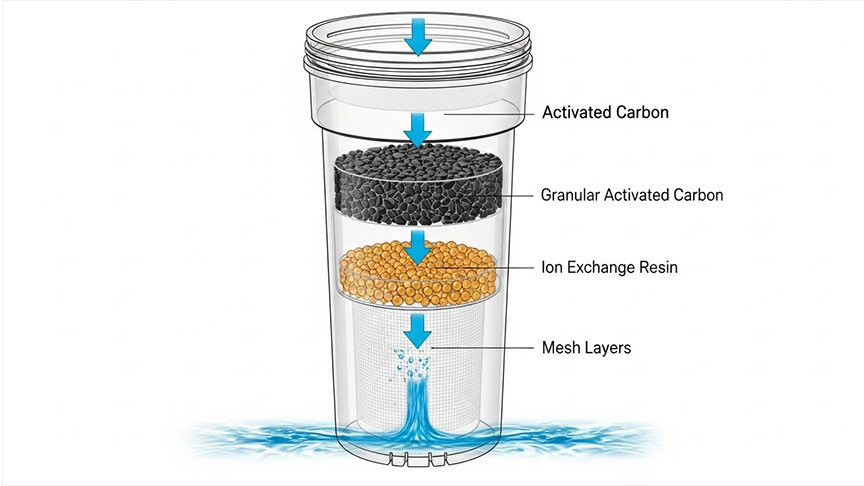
Brita’s filtration system is built on straightforward yet effective technology designed to improve the quality of tap water at home. Each filter uses a combination of materials that work together to reduce impurities, all while maintaining the natural minerals your body needs.
1. Activated Carbon: Targeting Taste and Odor
At the heart of Brita’s filters is activated carbon, typically derived from coconut shells. This porous material is highly effective at absorbing chlorine—a chemical commonly used in water treatment that can leave an unpleasant taste and smell. Activated carbon also helps reduce some organic contaminants and certain pesticides.
2. Ion Exchange Resin: Reducing Metals
Brita filters also contain ion exchange resin beads, which are responsible for trapping heavy metals like lead, copper, and mercury. As water flows through the filter, these resin beads exchange ions with the contaminants, removing them from the water and improving its overall safety.
3. Micro-Mesh and Pre-Filtration Layers
Before reaching the core filtration materials, water passes through a fine mesh that captures larger particles like sediment and rust. This pre-filtration stage helps protect the carbon and resin layers, extending the life and performance of the filter.
4. Filtered Water, Ready to Drink
Once the water has passed through all these stages, what’s left is cleaner, better-tasting water—ideal for drinking, cooking, or brewing your favorite cup of coffee or tea.
Brita’s approach to filtration is both accessible and grounded in proven science, offering a dependable way to enhance your water without overcomplicating the process.
Health Benefits of Using a Brita Filter Daily
Incorporating a Brita filter into your daily routine offers more than just cleaner water—it supports broader health and wellness goals by reducing exposure to common tap water contaminants and encouraging consistent hydration.
1. Reduced Exposure to Harmful Contaminants
Regular use of a Brita filter can significantly lower levels of substances like chlorine, lead, and certain pesticides in your drinking water. By filtering out these impurities, Brita helps reduce the health risks associated with long-term contaminant exposure, such as gastrointestinal issues, developmental concerns in children, and potential effects on the kidneys and nervous system.
2. Improved Taste Encourages Hydration
Filtered water not only tastes better—it smells better too. By removing the chlorine and other elements that can make tap water unpleasant, Brita makes it easier to drink more water throughout the day. Better taste often leads to better hydration habits, which can support everything from improved digestion to clearer skin and increased energy levels.
3. Safer Water for All Ages
Whether you're preparing baby formula, making coffee, or simply filling a glass at the sink, filtered water is a safer option for households with children, older adults, or anyone with a weakened immune system. Brita adds a layer of confidence to everyday hydration, especially in homes with aging plumbing or concerns about local water quality.
4. A Step Toward Healthier Living
Choosing to filter your water is a small daily action with lasting benefits. It supports a more mindful, health-forward lifestyle while helping you avoid unnecessary reliance on bottled water—a win for both your body and the environment.
Drinking filtered water consistently can contribute to overall wellbeing, making Brita a practical tool in any health-conscious routine.
Brita vs. Tap Water: Taste, Safety, and Transparency
When comparing Brita-filtered water to standard tap water, the differences are more than just noticeable—they directly impact daily hydration habits and overall peace of mind. Here’s how Brita stacks up in the areas customers care about most:
Taste and Odor: Tap water often contains chlorine, which can leave a chemical taste and smell. Brita’s activated carbon filter significantly reduces chlorine, resulting in water that’s fresher and more enjoyable to drink.
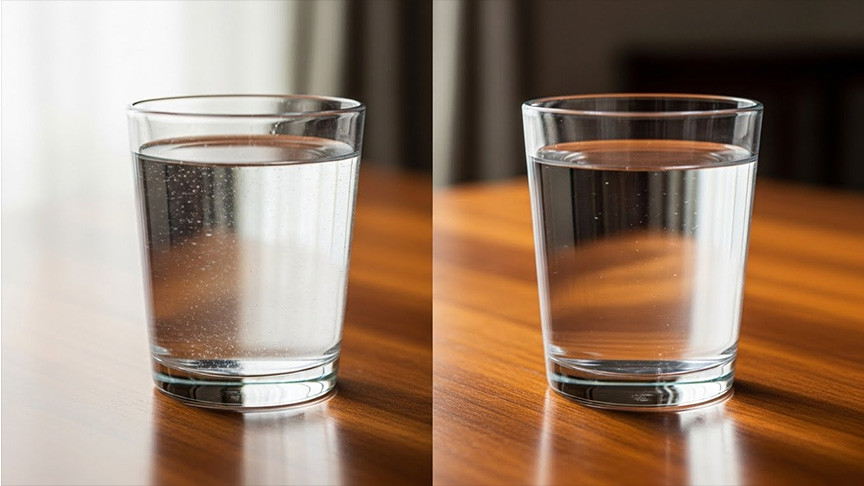
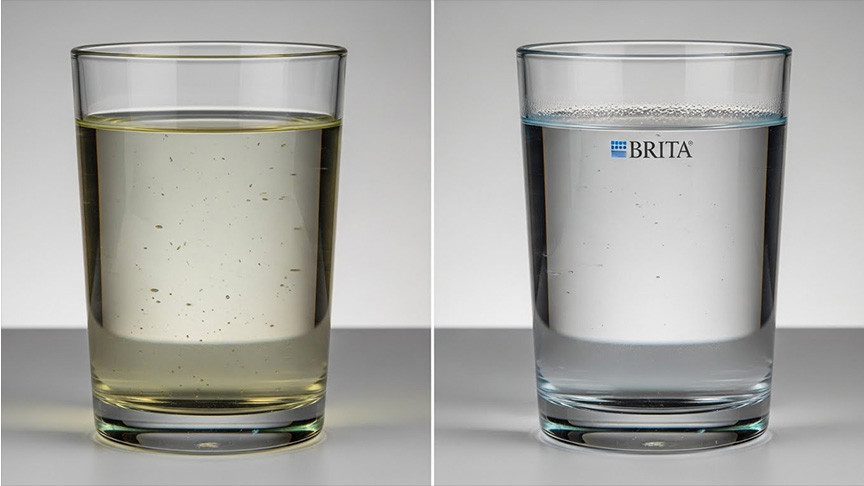
Clarity and Appearance: Tap water can sometimes appear cloudy due to sediment, rust, or mineral content—especially in homes with aging plumbing. Brita’s micro-mesh layer helps remove these visible impurities, producing cleaner-looking water.
Safety and Contaminant Reduction: While municipal tap water is regulated, it may still contain trace levels of heavy metals, pesticides, or industrial pollutants. Brita filters use a combination of activated carbon and ion exchange resin to reduce common contaminants like lead, copper, and certain herbicides, offering an added layer of protection.
Transparency and Control: Understanding what’s in your tap water often requires reviewing complex local water quality reports. Brita makes it simpler, providing clear documentation of what each filter removes and how often it should be changed—giving users more control over their water quality.
With Brita, the difference isn’t just in taste—it’s in the confidence that your water is cleaner, clearer, and filtered with your health in mind.
Cost‑Saving Breakdown: Brita Filter vs. Bottled Water
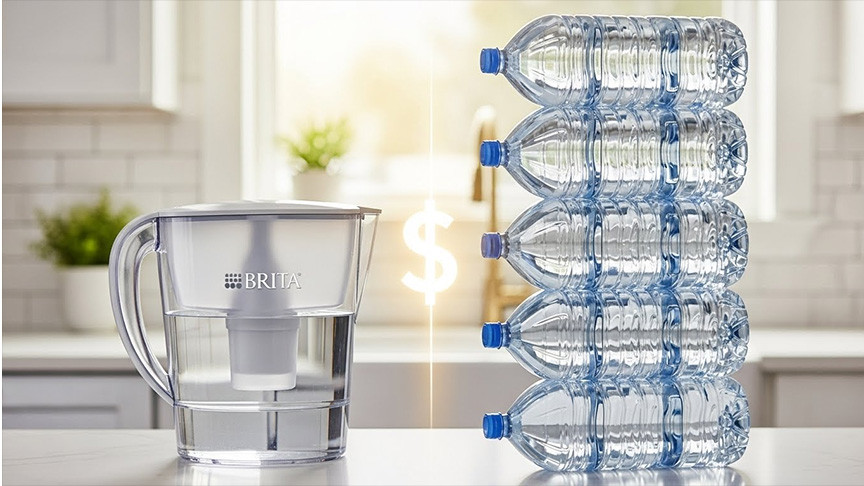
Switching from bottled water to a Brita filter isn’t just better for the environment—it’s a smart financial move. While bottled water costs add up quickly, Brita offers a more affordable, long-term solution for clean drinking water at home.
Here’s a simple comparison to put the savings into perspective:
Bottled Water Costs:
A typical 16.9 oz (0.5L) bottle of water costs about $1.00. If you drink four bottles a day, that’s:$4 per day
$28 per week
Over $1,400 per year
Brita Filter Costs:
A standard Brita pitcher costs around $30, and replacement filters are about $7 each. One Longlast+ filter lasts up to 120 gallons—roughly 900 bottles of water. For a year's supply (about 4 filters), the total cost is approximately:$30 (pitcher) + $28 (filters) = $58 for the first year
Under $30 per year for filter replacements after that
Annual Savings:
Bottled water: ~$1,400/year
Brita filtered water: ~$58 in year one, ~$28 each year after
Total savings: Over $1,300 annually
By choosing Brita, you’re not only cutting costs—you’re also reducing plastic waste and the hassle of hauling bottled water. It’s a simple switch with lasting financial and environmental benefits.
Installation & Maintenance: Quick Tips for Optimal Performance
Setting up and maintaining your Brita filter is simple, but following a few key steps ensures you get the best water quality and longest filter life. Here's how to get started and keep things running smoothly:
1. Initial Setup
Wash the Pitcher or Dispenser
Rinse all parts with mild soap and water before first use. Avoid using hot water or dishwashers, as high heat may warp components.Soak the Filter (If Required)
Depending on the model, you may need to soak the filter for 15 minutes before installation. Check the packaging for specific instructions.Insert the Filter
Align the filter with the reservoir and press down firmly until it's fully seated. Some filters may click into place or require a twist to lock.Flush Before First Use
Fill the pitcher and discard the first one or two batches of filtered water to flush out any loose carbon particles.
2. Changing the Filter
Track Filter Life
Brita filters typically last:Standard filters: Replace every 2 months or 40 gallons
Longlast+ filters: Replace every 6 months or 120 gallons
Use the Built-In Indicator
Many Brita pitchers include an electronic or sticker-based indicator to help you know when it’s time to replace the filter.Replace and Rinse
When changing the filter, follow the same soaking and installation steps as the initial setup. Always flush new filters before drinking.
3. Ongoing Maintenance
Regular Cleaning
Clean the pitcher or dispenser every few weeks with mild soap and cold water. Rinse thoroughly to avoid residue buildup.Store Properly
Keep your Brita system in a cool, dry place and avoid direct sunlight or heat sources to maintain filter integrity.Avoid Freezing
Don’t store your Brita pitcher in the freezer. Ice can crack the reservoir or damage the filter.
Following these simple steps ensures your Brita filter continues to deliver clean, great-tasting water—day after day.
Real User Experiences: What Households Are Saying
Real‑world feedback from Brita users helps paint a fuller picture of the everyday experience—with both the benefits and honest perspectives that matter when choosing a water filter.
Positive Experiences from Households
Many users report that Brita makes a noticeable difference in taste and odor, often saying filtered water tastes “great” or “better than tap.” This improvement encourages regular water consumption.
People appreciate how easy Brita systems are to fill, install, and maintain, with straightforward filter replacements and a design that fits well in refrigerators and kitchens.
Customer reviews often highlight Brita’s customer service—from fast responses to replacement parts to helpful support that enhances long‑term satisfaction.
Many households mention keeping pitchers in the fridge at all times because they enjoy having chilled, filtered water ready—an easy way to stay hydrated through the day.
Balanced Feedback from Some Users
While a majority of reviews are positive, some users note that Brita filters mainly improve taste and basic impurities rather than removing every possible contaminant—a reflection of the technology’s scope and emphasis on everyday household use rather than specialized purification.
A few users have mentioned minor issues like small debris or mixed expectations about contaminant reduction, underscoring the importance of matching filter choice to specific water quality needs.
What This Means for Households
Across a range of feedback—from social community posts to verified retail reviews—Brita consistently earns praise for making everyday water taste better, being easy to use, and fitting into daily routines with minimal fuss. While no household filter can remove every possible substance, many users find Brita a reliable and practical choice for improving their drinking water’s quality and flavor.
Who Should Consider a Brita: Families, Renters, and Budget‑Savvy Shoppers
Brita filters are designed to fit a wide range of lifestyles, but they’re especially well-suited for people who want a simple, effective way to improve their tap water without a major investment or permanent installation. Here’s a look at who benefits most from using a Brita system:
Families Focused on Health
For households with children, filtered water offers added peace of mind—especially in areas where plumbing may contain lead or other impurities. Brita helps ensure kids and adults alike have easy access to cleaner, better-tasting water throughout the day.Renters and Apartment Dwellers
Without the option to install under-sink systems or whole-home filters, renters often look for portable, non-permanent solutions. Brita pitchers and dispensers require no tools or plumbing changes, making them perfect for temporary setups or shared living spaces.Budget-Conscious Shoppers
Compared to buying bottled water or installing high-end filtration systems, Brita offers a low-cost alternative that delivers long-term savings. With each filter costing only a few dollars per month, it’s a smart choice for anyone looking to cut recurring expenses without compromising on quality.Environmentally Minded Users
Anyone trying to reduce plastic waste will appreciate how Brita replaces hundreds of single-use bottles each year. It's a small daily change that supports a more sustainable lifestyle.Busy Individuals or Students
Brita’s low-maintenance design is ideal for people with limited time or interest in complex systems. Whether it’s a dorm room or a home office, having filtered water on hand supports healthier habits without adding to your to-do list.
In short, Brita is an ideal match for users who value convenience, affordability, and improved water quality—without the complications of larger filtration systems.
Final Verdict: Drink Clean, Save More with Brita at Home
When it comes to everyday hydration, Brita offers a practical balance of health, convenience, and cost savings. By reducing common tap water contaminants like chlorine, lead, and particulates, Brita helps households enjoy cleaner, better-tasting water—without relying on single-use bottles or costly filtration systems.
For families, renters, and budget-conscious shoppers alike, Brita delivers a simple solution that fits into daily routines and supports long-term wellness. With easy maintenance, reliable performance, and significant cost savings over time, it’s a smart, low-commitment way to take control of your water quality—right from the tap.