 Feb 14, 2025 - 0
Minutes read
Feb 14, 2025 - 0
Minutes read
From Side Sleeper to Back Sleeper: Tempur‑Pedic Pillow and Pain Reduction
The Sleep Position Dilemma: Side vs. Back Sleeping
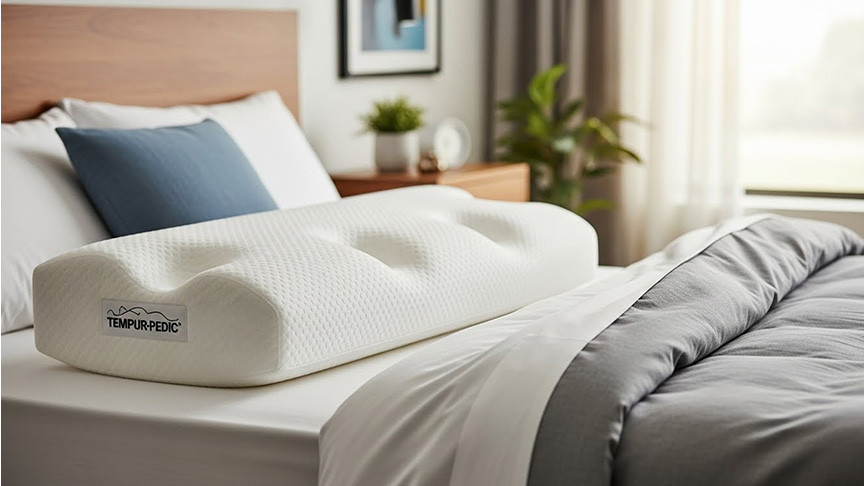
When it comes to maintaining cervical health, sleep posture plays a crucial role—often more than we realize. The way you position your head and neck overnight can significantly affect spinal alignment, muscle tension, and long-term comfort. For many, the choice between side and back sleeping isn't just about personal preference—it's about minimizing strain on the cervical spine.
Some of our links may be affiliate links and if you buy through our link, we might generate some commissions.
Side sleeping is the most common posture and can be beneficial when the head and neck are properly supported. A memory foam pillow, such as those by Tempur-Pedic, helps fill the space between the head and mattress, maintaining a neutral spine alignment. This is especially important in preventing the head from tilting too far downward or upward, which can lead to morning stiffness or chronic neck discomfort.
Back sleeping, on the other hand, naturally encourages spinal neutrality by distributing weight evenly across the body. However, the key here is contouring support. Without the right pillow—one that cradles the natural curve of the neck—this position can still lead to pressure buildup or muscle strain.
The shift from one sleep position to another may be necessary for those experiencing persistent neck pain or stiffness. Adjusting posture, alongside using a supportive memory foam pillow, can relieve pressure on the cervical spine and promote better overall sleep health. Whether you're a dedicated side sleeper or transitioning to your back, understanding how posture impacts your neck is the first step toward more restorative rest.
Understanding Cervical Support: What Your Neck Really Needs
Maintaining proper cervical alignment during sleep is essential for preventing neck pain and promoting spinal health. The cervical spine—the uppermost part of your spine that supports the head—has a natural curve that should be preserved, especially during sleep when the body is in a prolonged static position.
When this alignment is compromised, several issues can arise:
Neck stiffness and soreness: Poor support forces muscles to stay engaged overnight, leading to tension and discomfort.
Headaches and disrupted sleep: Misalignment can contribute to pressure buildup around the base of the skull.
Long-term postural issues: Chronic misalignment may affect the spine’s natural curvature and overall posture over time.
To counter these issues, the pillow you choose plays a critical role. A high-quality memory foam pillow, such as those offered by Tempur-Pedic, conforms to your unique contours—cradling the head while supporting the neck’s curve. This allows your muscles to relax fully and keeps the spine aligned, whether you sleep on your back or side.
Understanding what your neck really needs isn’t just about avoiding discomfort—it’s about creating a sleep environment that supports recovery and long-term spinal health.

First Impressions: Unpacking the Tempur-Pedic Memory Foam Pillow
Unboxing the Tempur-Pedic Memory Foam Pillow offers a glimpse into the brand’s attention to both design and functionality. Right out of the box, the pillow feels substantial—denser and more structured than a typical pillow, yet with a softness that invites immediate use.
Key first impressions include:
Material and feel: The outer cover is smooth and breathable, with a quality finish that enhances comfort. It’s also removable and washable, which is practical for everyday use.
Supportive density: The pillow feels firm at first touch, but quickly adapts to pressure. This slow-response memory foam is designed to contour precisely to your shape.
Contoured design (on specific models): The ergonomic shape features a gently curved center with elevated edges—ideal for promoting cervical alignment, especially for back and side sleepers.
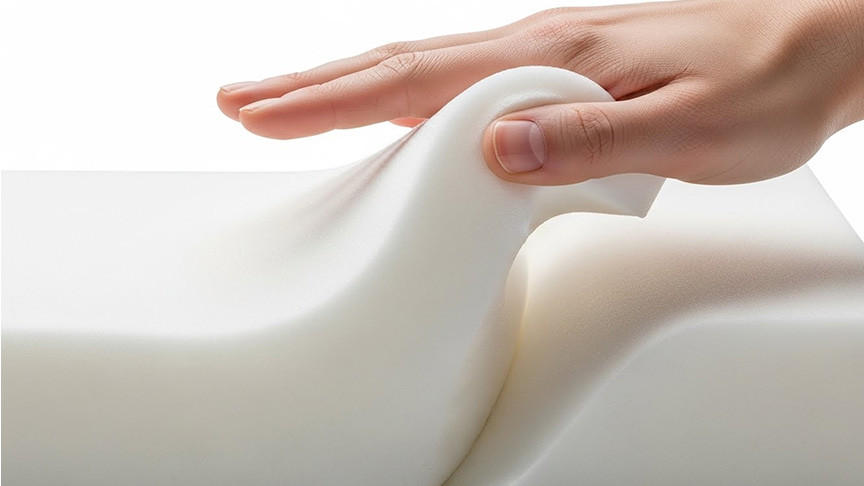
As you press into the surface, the foam doesn’t spring back quickly—it molds slowly, holding the shape for a moment before returning to form. This responsiveness is what makes it feel customized right from the start. Unlike fluffier alternatives, the Tempur-Pedic pillow doesn’t flatten out or shift during use, hinting at the stability and support it provides through the night.
Altogether, the construction and immediate feel suggest a well-engineered sleep tool—purpose-built to offer long-term support and comfort.
Memory Foam Mechanics: How Tempur Material Responds to Your Body
Tempur material isn't just ordinary memory foam—it’s a proprietary formulation originally developed by NASA, designed to absorb pressure and evenly distribute weight. What sets it apart is its viscoelastic structure, which responds to both body heat and pressure to mold precisely to the contours of your head, neck, and shoulders.
Here’s how the material works:
Heat-sensitive adaptation: As your body warms the foam, it softens gradually, allowing it to contour closely to your shape without pushing back.
Even weight distribution: The foam compresses only where pressure is applied, which helps eliminate concentrated stress points that can lead to discomfort or pain.
Slow recovery time: Unlike traditional foams, Tempur material slowly returns to its original shape, offering a stable, cradle-like feel that supports consistent alignment.
This responsive behavior is key to relieving pressure points. By cushioning areas like the base of the skull and the sides of the neck—common hotspots for tension—Tempur material helps prevent stiffness and promotes muscle relaxation throughout the night.
The result is not just comfort, but functional support that adapts in real time to your sleep posture. Whether you're a side sleeper needing shoulder relief or a back sleeper focusing on neck alignment, the foam’s ability to maintain structural integrity while adjusting to your body helps create a more restorative sleep experience.
Back Sleeping Reinvented: Comfort, Contour, and Support
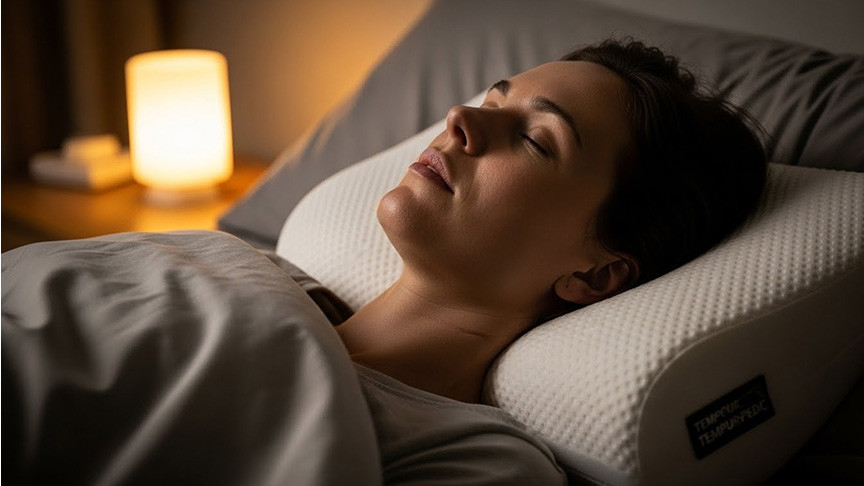
For back sleepers, maintaining proper spinal alignment throughout the night is critical—and that starts with the right pillow. The Tempur-Pedic Memory Foam Pillow is designed to support the natural curve of the neck, which is especially important when lying on your back. Its structure helps eliminate the common issues of the head tilting too far forward or backward, both of which can strain the cervical spine.
Here’s how the pillow supports back sleepers effectively:
Ergonomic contouring: Many Tempur-Pedic models feature a gentle central dip that cradles the back of the head, with raised edges to support the neck. This shape promotes a neutral spine position, reducing tension and encouraging muscle relaxation.
Pressure-relieving foam: The adaptive Tempur material conforms to the unique shape of your neck and shoulders, distributing weight evenly to prevent pressure buildup.
Consistent support through the night: Unlike traditional pillows that compress or shift, this foam maintains its shape, providing stable alignment without needing constant adjustment.
By aligning the head, neck, and upper spine in a straight line, the pillow not only enhances comfort but also helps minimize snoring and reduce morning stiffness. For those looking to improve their back-sleeping posture, it offers a supportive foundation that feels both natural and restorative—helping you stay in a healthier position all night long.
Easing Out of Side Sleeping: Gradual Transition Tips
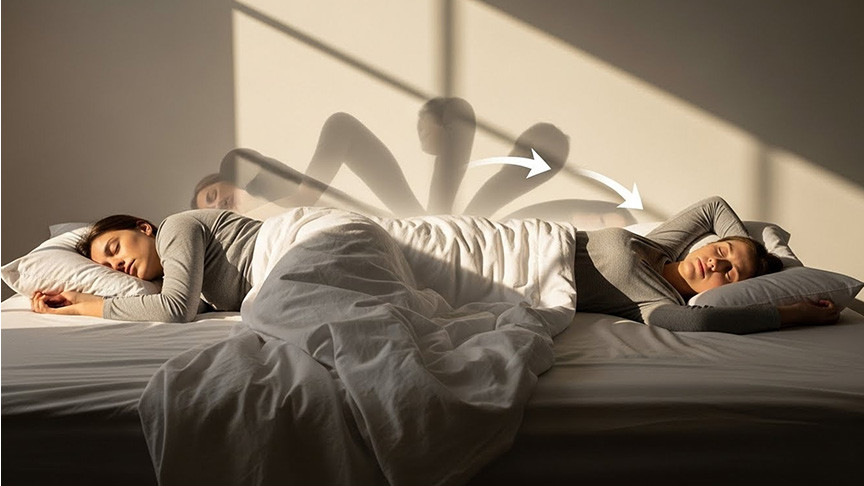
Switching from side sleeping to back sleeping can benefit spinal alignment and reduce neck strain, but it often requires a period of adjustment. Rather than forcing a sudden change, transitioning gradually can help your body adapt without discomfort or disrupted sleep.
Here are practical tips to ease the shift:
Use a supportive pillow: Start with a pillow that promotes back sleeping, like a Tempur-Pedic Memory Foam Pillow. Its contoured shape helps keep your head and neck aligned, making the new position feel more natural.
Try a partial transition: Begin by falling asleep on your back, even if you shift positions during the night. Over time, your body will become more accustomed to the new posture.
Add a pillow under your knees: Placing a small pillow or rolled towel under your knees can relieve lower back pressure and prevent your body from rotating to the side.
Limit side-sleeping triggers: Use a pillow beside your body or along your side to discourage turning in your sleep. This provides gentle resistance and reminds you to stay on your back.
Stick to a consistent routine: Consistency reinforces new habits. Try transitioning during a time when your sleep schedule is stable to give your body the best chance to adjust.
Patience is key. Gradually easing into back sleeping allows your muscles, joints, and posture to recalibrate without added tension. With the right support system—especially one tailored for cervical alignment—you’ll be more likely to adopt and sustain a healthier sleep position over time.
Neck & Shoulder Check-In: One Week of Real-World Use
After one week of consistent use, the Tempur-Pedic Memory Foam Pillow shows measurable impact on neck and shoulder comfort—particularly for those transitioning to better sleep posture. Initial stiffness, especially in the morning, noticeably decreases by the third or fourth night as the pillow begins to support more consistent alignment.
Key observations from real-world use include:
Improved neck alignment: The contoured support helps maintain a neutral neck position, reducing the need to shift or readjust during the night.
Reduced shoulder tension: For side sleepers transitioning to back sleeping, the foam’s pressure relief minimizes shoulder strain without sacrificing comfort.
More restful sleep: With fewer interruptions caused by discomfort or repositioning, sleep becomes deeper and more continuous.
While the pillow may feel firm at first, its adaptive nature becomes more noticeable over several nights as the body adjusts. For users with ongoing neck discomfort, this short-term trial suggests meaningful support in improving posture and relieving pressure—making it a promising option for long-term cervical health.
No More Tossing and Turning? Sleep Quality Observations
Over the course of several nights, many users report a noticeable shift in overall sleep quality when using the Tempur-Pedic Memory Foam Pillow. What stands out most is a reduction in restlessness—less tossing, fewer wake-ups, and a smoother progression through the sleep cycle.
Here’s how sleep tends to change:
Deeper, more stable sleep: As the pillow promotes better head and neck alignment, it reduces the need for mid-night repositioning. This encourages longer periods of uninterrupted sleep.
Faster sleep onset: With proper support from the start, there’s less fidgeting to “find the right spot,” helping users fall asleep more quickly.
Better morning recovery: A consistent sleeping position through the night supports muscle relaxation, contributing to waking up with less tension and greater mental clarity.
While results can vary, especially in the short term, many users find that the pillow’s ability to support proper alignment and minimize pressure points leads to a quieter, more restful sleep experience. It doesn’t just improve comfort—it helps eliminate the small disruptions that add up over the course of a night.
Who This Pillow Is (and Isn’t) For: A Practical Guide
The Tempur-Pedic Memory Foam Pillow delivers targeted support and contouring that suits many—but not all—sleepers. Its dense, adaptive foam offers excellent cervical alignment, but its firmness and shape may not match everyone’s comfort preferences or physical needs.
Best suited for:
Back sleepers: The contoured design supports the natural curve of the neck, promoting healthy alignment and reducing pressure on the cervical spine.
Side sleepers (with proper sizing): Those with broader shoulders may benefit from the pillow’s height and firmness, which help fill the space between head and mattress.
Individuals with neck pain or tension headaches: The adaptive foam helps relieve pressure points and encourages posture that can alleviate chronic discomfort.
People seeking consistent support: The pillow retains its shape throughout the night, making it ideal for those who don’t want to constantly fluff or reposition.
May not be ideal for:
Stomach sleepers: The pillow’s firmness and height can place the neck at an unnatural angle, increasing strain in this position.
Very petite frames: Users with smaller body types may find the pillow too tall or firm, leading to discomfort rather than support.
Those who prefer a plush, sink-in feel: The structured support may feel too firm for users accustomed to down or ultra-soft pillows.
Choosing the right pillow comes down to individual sleep style and comfort needs. While the Tempur-Pedic Memory Foam Pillow excels in promoting spinal alignment and relieving pressure, it’s best suited for those who prioritize structure over softness and are looking to support cervical health long-term.
Final Thoughts: Does Tempur-Pedic Deliver on Pain Relief?
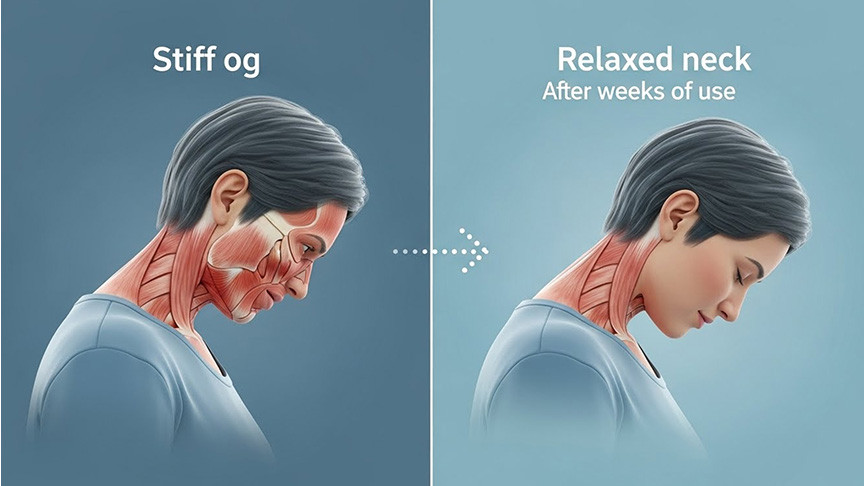
After a full week of real-world use, the Tempur-Pedic Memory Foam Pillow proves itself as more than just a comfort upgrade—it’s a meaningful tool for addressing neck and shoulder pain. Its dense, contouring foam promotes proper cervical alignment, which is essential for relieving pressure and supporting muscle recovery during sleep.
For those struggling with:
Chronic neck stiffness
Tension headaches
Poor sleep posture
Inconsistent support from traditional pillows
The Tempur-Pedic pillow offers tangible relief and promotes healthier sleeping habits over time. While its firmer feel and structured design may not appeal to everyone, especially stomach sleepers or those who prefer ultra-soft pillows, the targeted support it provides makes it a strong investment for anyone focused on long-term neck and shoulder health.
In short: if you’re looking for a pillow that not only improves comfort but also actively supports pain management, Tempur-Pedic delivers.