 Jul 18, 2025 - 0
Minutes read
Jul 18, 2025 - 0
Minutes read
Honeywell Home Air Purifier Guide: Allergy Relief and Pollution Protection
Introduction: Why You Need an Air Purifier for Home
Indoor air quality is often overlooked, yet it plays a crucial role in overall health and comfort—especially for individuals sensitive to allergens or pollutants. With people spending more time indoors, the need to create a cleaner, healthier living environment is more important than ever. That’s where a reliable air purifier becomes essential.
Some of our links may be affiliate links and if you buy through our link, we might generate some commissions.
Setting the Stage: Allergies and Indoor Air Pollution
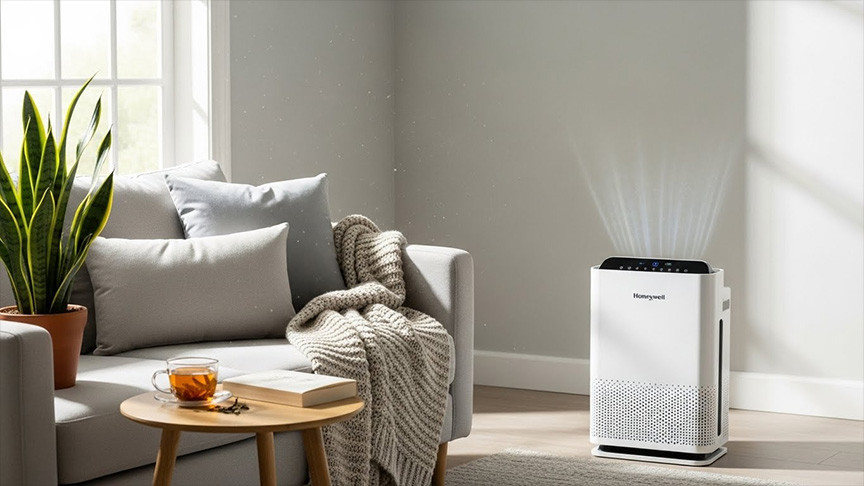
Indoor spaces can harbor a wide range of airborne irritants, from dust mites and pet dander to pollen and mold spores. These particles often go unnoticed but can trigger allergic reactions, asthma symptoms, and respiratory discomfort. Everyday activities like cooking, cleaning, or even bringing in outdoor air can introduce volatile organic compounds (VOCs) and fine particulate matter into your home.
The Honeywell Air Purifier is designed to address these challenges by capturing microscopic allergens and pollutants, helping to reduce the overall particle concentration in the air. Whether you're managing seasonal allergies or simply aiming for a healthier indoor environment, an effective air purifier can provide a noticeable improvement in air clarity and comfort.
By investing in the right air purification solution, you’re not just cleaning the air—you’re enhancing the quality of life for everyone in your home.
Understanding Indoor Air Quality: The Hidden Health Threat
Indoor air quality (IAQ) is more than just a comfort issue—it’s a key component of a healthy living space. Many common household pollutants are invisible to the eye but can significantly impact respiratory health and overall well-being. Poor IAQ often stems from a mix of indoor and outdoor sources, many of which accumulate over time without proper ventilation or filtration.
How Allergens & Pollutants Affect Your Home Environment
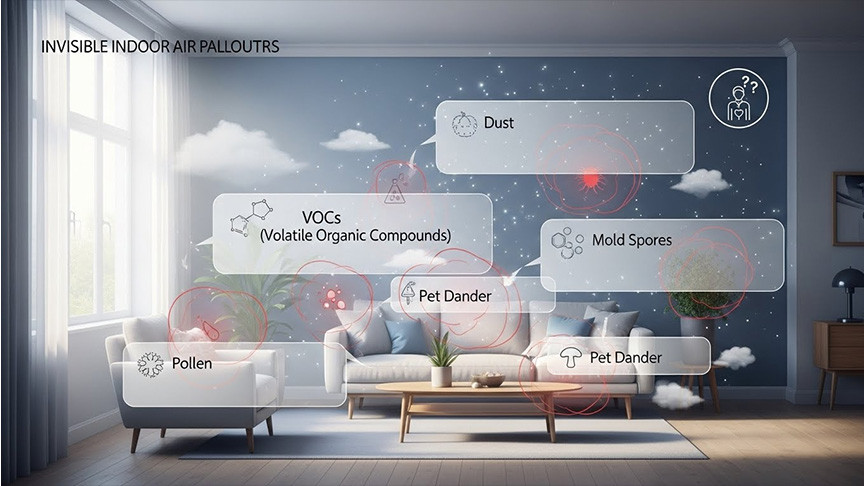
Everyday life introduces a wide array of airborne contaminants into your home. Dust, pollen, pet dander, and mold spores are common allergens that can linger in carpets, furniture, and HVAC systems. Additionally, cooking fumes, smoke, and chemicals from cleaning products contribute to indoor air pollution by releasing volatile organic compounds (VOCs) and fine particles into the air.
Over time, exposure to these pollutants can lead to chronic issues such as nasal congestion, throat irritation, headaches, and exacerbated asthma symptoms. Children, older adults, and those with preexisting respiratory conditions are particularly vulnerable to poor indoor air quality.
Using a high-efficiency air purifier, like those from Honeywell, helps to reduce the presence of these harmful particles. With multi-stage filtration systems—including HEPA filters capable of capturing up to 99.97% of microscopic allergens—these purifiers support a cleaner, safer home environment. The result is not just fresher air, but better protection for the health of everyone indoors.
Honeywell Air Purifier at a Glance
Honeywell has long been recognized for its commitment to building reliable, performance-driven products—and its line of air purifiers is no exception. Designed with both function and user comfort in mind, Honeywell air purifiers combine smart filtration technologies with user-friendly features to help maintain cleaner indoor air across a variety of room sizes.
Key Features That Make Honeywell Stand Out
1. True HEPA Filtration
Honeywell air purifiers are equipped with True HEPA filters, capable of capturing up to 99.97% of airborne particles as small as 0.3 microns. This includes allergens like pollen, dust, pet dander, and mold spores, making them particularly effective for allergy sufferers.
2. Activated Carbon Pre-Filters
In addition to particle filtration, Honeywell units often include activated carbon pre-filters that help reduce common household odors and VOCs. This two-stage approach addresses both visible and invisible air quality concerns.
3. AHAM Verified Performance
Many Honeywell models are certified by the Association of Home Appliance Manufacturers (AHAM), with Clean Air Delivery Rate (CADR) ratings that indicate effective removal of smoke, dust, and pollen. This third-party verification ensures performance transparency.
4. Room Coverage Options
From small bedrooms to large living spaces, Honeywell offers purifiers suited to various room sizes. Models are clearly labeled for square footage, helping users choose the right fit for their needs.
5. Smart Features and Timers
Select Honeywell models come with features like auto mode, air quality sensors, and programmable timers—adding convenience while optimizing performance based on current indoor conditions.
Whether you're managing seasonal allergies, reducing exposure to household pollutants, or simply aiming for fresher air, Honeywell’s thoughtful design and proven filtration technology offer a dependable solution for maintaining healthier indoor environments.
Allergy Relief Focus: How Honeywell Helps You Breathe Easier
For allergy sufferers, indoor air quality isn't just a matter of comfort—it's a daily concern. Airborne allergens like pollen, dust, and pet dander can quickly build up indoors, triggering symptoms ranging from sneezing and itchy eyes to more serious respiratory issues. Honeywell air purifiers are engineered to reduce this exposure, providing a proactive solution for maintaining cleaner air and easing allergy-related discomfort.
Trapping Pollen, Dust, Pet Dander & More
Honeywell’s use of True HEPA filtration plays a central role in its allergy relief capabilities. These filters capture up to 99.97% of microscopic particles, including common allergens such as:
Pollen – Often carried indoors through open windows or on clothing, pollen is a major seasonal trigger. Honeywell air purifiers trap these particles before they can circulate.
Dust and Dust Mites – Regular activity like walking or vacuuming stirs up dust that settles on surfaces. HEPA filters help capture airborne dust and the allergenic waste from dust mites.
Pet Dander – Tiny flakes of skin shed by cats, dogs, and other animals can linger in the air and on fabrics. Honeywell purifiers reduce dander buildup, especially in multi-pet homes.
Mold Spores – Common in damp environments, mold spores can contribute to respiratory irritation. High-efficiency filtration captures these particles before they can be inhaled.
In addition to HEPA filters, activated carbon pre-filters assist in reducing odors and VOCs, creating a more comfortable breathing environment for those with sensitivities. By continuously cycling and filtering air throughout the day, Honeywell air purifiers offer consistent protection against allergen buildup—helping users breathe easier, especially during allergy seasons.
Pollution Protection: Combatting Smog, Smoke & VOCs
Air pollution isn’t limited to the outdoors. Urban smog, wildfire smoke, and volatile organic compounds (VOCs) from household products often find their way indoors, where they can become concentrated in poorly ventilated spaces. For those living in cities or areas prone to air quality alerts, these pollutants pose a serious concern. Honeywell air purifiers are built to address this challenge head-on with targeted filtration technology that captures and reduces harmful airborne contaminants.
Advanced Filtration for Urban and Household Pollutants
Honeywell purifiers use a multi-stage filtration system that goes beyond standard dust and allergen removal to target complex pollutants such as:
Smog and Fine Particulate Matter (PM2.5) – Common in urban environments, these microscopic particles can penetrate deep into the lungs. Honeywell’s HEPA filters are designed to capture particles as small as 0.3 microns, including many found in smog.
Smoke from Wildfires or Cooking – Smoke particles not only degrade air quality but also carry toxins. Honeywell purifiers with high CADR (Clean Air Delivery Rate) scores for smoke provide efficient, room-wide filtration in affected areas.
Volatile Organic Compounds (VOCs) – Emitted by cleaning products, paint, furniture, and more, VOCs contribute to indoor air pollution and can cause irritation or long-term health issues. Activated carbon filters in Honeywell units help absorb and neutralize these chemical pollutants.
By continuously filtering air and reducing both particle-based and gaseous pollutants, Honeywell air purifiers support a cleaner indoor environment—even when outdoor air quality is poor. This makes them particularly valuable in city homes, apartments, and areas with seasonal pollution spikes.
True HEPA Filtration Explained
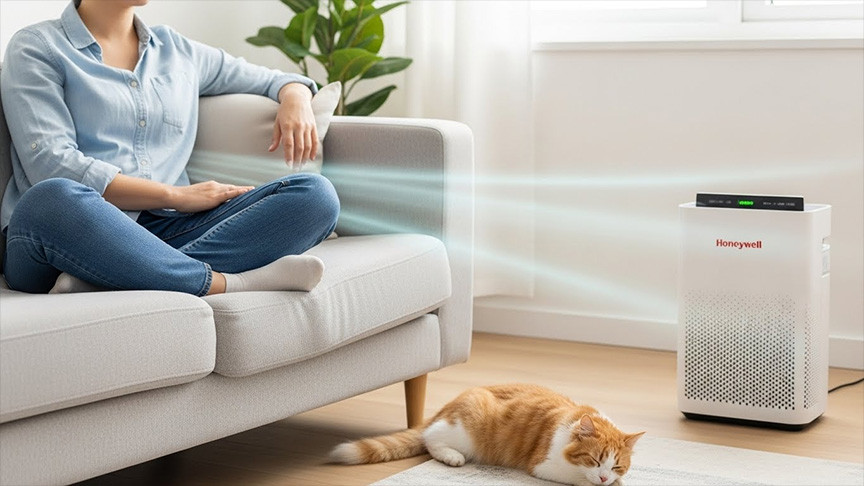
When evaluating air purifiers, the term “HEPA” often stands out—but not all filters labeled as HEPA offer the same level of performance. Honeywell air purifiers feature True HEPA filters, a critical distinction that ensures high-efficiency particle removal and reliable protection against airborne pollutants.
What HEPA Means and Why It Matters for Your Health
HEPA, or High Efficiency Particulate Air, refers to a standard of filtration that captures at least 99.97% of airborne particles as small as 0.3 microns. This includes many of the most common and harmful indoor contaminants, such as:
Pollen and plant spores
Pet dander and hair
Mold spores
Fine dust and dust mite debris
Smoke and combustion particles
The “True” in True HEPA signifies that the filter meets strict testing criteria established by the U.S. Department of Energy. In contrast, filters marketed as “HEPA-type” or “HEPA-like” may not meet these standards and typically offer lower filtration efficiency.
Honeywell’s use of certified True HEPA filters ensures that you’re getting genuine, medical-grade filtration capable of removing both visible and microscopic particles from the air. This level of performance is especially important for households with allergy sufferers, asthmatics, or anyone looking to minimize their exposure to indoor pollutants.
By integrating True HEPA technology into its air purifiers, Honeywell provides a trustworthy line of defense against the invisible particles that affect your health and indoor comfort.
Performance Metrics: Coverage, CADR & Efficiency
Selecting an air purifier isn't just about choosing a brand—it's about understanding how well a model performs in your specific space. Honeywell air purifiers are rated across key performance metrics that help you determine the right fit based on room size, filtration efficiency, and air cleaning speed. Knowing how to interpret these numbers ensures that your purifier delivers optimal results where you need it most.
Choosing the Right Model for Your Room Size
1. Coverage Area
Honeywell models are clearly labeled with the recommended room size they can effectively purify, typically ranging from small bedrooms (under 150 sq. ft.) to large living areas (over 400 sq. ft.). Choosing a purifier with coverage that matches—or slightly exceeds—your room size ensures efficient air circulation and filtration.
2. CADR (Clean Air Delivery Rate)
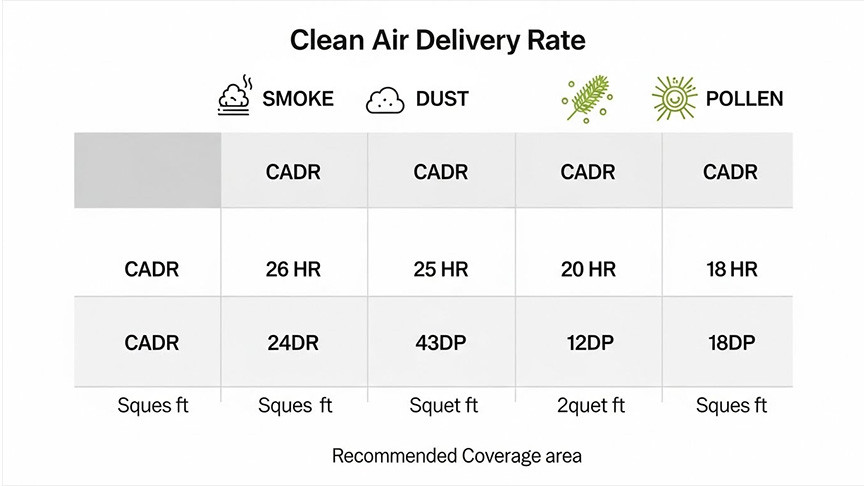
CADR is a standardized metric developed by the Association of Home Appliance Manufacturers (AHAM) to measure how quickly an air purifier removes specific pollutants from the air. Honeywell purifiers are AHAM Verified, providing CADR scores for:
Smoke – Fine particles often associated with wildfires or cooking.
Dust – Common airborne particulate from household surfaces and fabrics.
Pollen – Larger allergens tracked in from outside.
Higher CADR numbers indicate faster, more effective air cleaning. For example, a CADR of 200 means the purifier can deliver 200 cubic feet of clean air per minute for that pollutant type.
3. Energy Efficiency and Filter Life
Many Honeywell units are Energy Star® certified, meaning they meet efficiency standards while running continuously—an important factor for users who operate purifiers all day. Additionally, Honeywell filters are designed for long-term use, with True HEPA filters typically lasting up to 12 months and carbon pre-filters needing replacement every 3 months, depending on usage and air quality.
When assessing air purifier performance, these combined metrics—coverage, CADR, and efficiency—offer a clear picture of how well a model will perform in your space. Honeywell’s transparent labeling and AHAM-certified data make it easier to select a purifier that matches your indoor air quality needs.
Smart Features & Usability
Beyond effective filtration, a high-quality air purifier should seamlessly fit into your daily life—quietly doing its job without requiring constant attention. Honeywell air purifiers are built with usability in mind, offering a range of smart features that enhance convenience, improve energy efficiency, and provide real-time air quality insights.
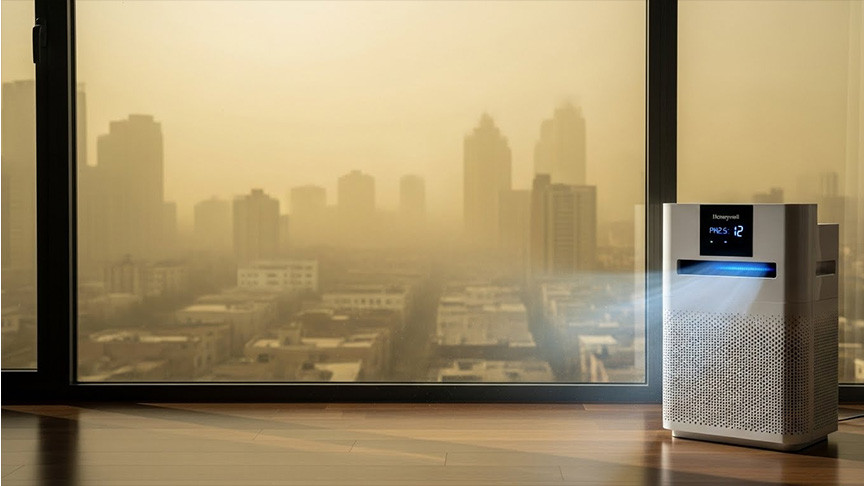
Easy Controls, Air Quality Sensors, and Quiet Operation
1. Intuitive Control Panels
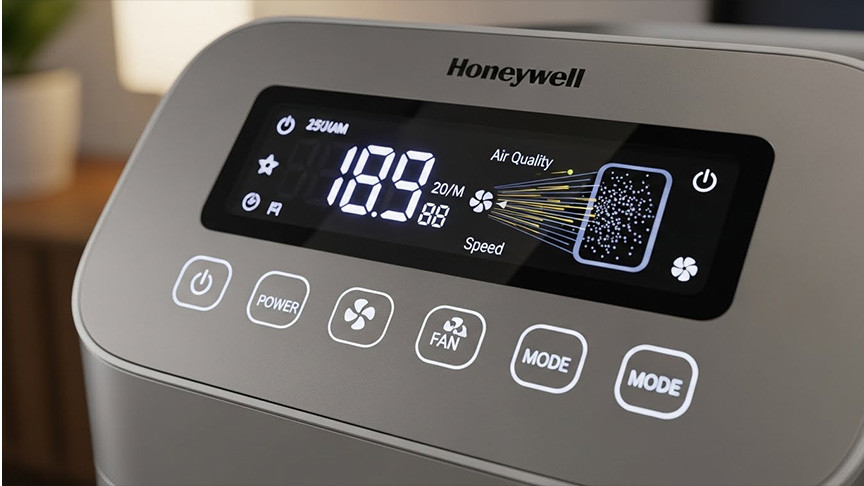
Honeywell purifiers are designed with user-friendly interfaces that allow for quick setup and easy operation. Most models feature touch-sensitive or digital controls with clearly labeled fan speeds, filter indicators, and timer settings—making it simple to adjust performance as needed.
2. Built-in Air Quality Sensors
Select Honeywell models include smart sensors that monitor indoor air quality and automatically adjust purification levels based on real-time conditions. These sensors detect changes in particle concentration—such as smoke or pollen spikes—and boost fan speed to clean the air more quickly, then return to lower settings to conserve energy once the air is clear.
3. Auto Mode and Timers
Auto mode enables the purifier to self-regulate, maintaining optimal air quality without manual input. Additionally, programmable timers allow users to schedule operating hours, helping to reduce energy consumption and filter wear during times when the room is unoccupied.
4. Quiet Operation for Any Room
Honeywell purifiers are engineered for low-noise performance, making them suitable for bedrooms, nurseries, or shared living areas. Many models include a “sleep mode” that dims display lights and lowers fan speed for near-silent overnight use.
Together, these smart features ensure that Honeywell air purifiers offer more than just air cleaning—they deliver a set-it-and-forget-it experience that aligns with modern home routines, enhancing usability without compromising performance.
Comparing Top Honeywell Models for Allergy & Pollution
When narrowing down the ideal Honeywell air purifier for your home, it helps to compare models based on room size, performance, and everyday usability. Below are some of the standout Honeywell purifiers—each suited to different indoor spaces and needs:
1. Honeywell HPA200 – Great for Medium to Large Rooms
Designed to effectively clean air in spaces up to around 310 sq. ft., making it ideal for living rooms and open-plan areas.
Uses a True HEPA filter with activated carbon pre-filter to capture allergens (like pollen and pet dander), dust, and odors from smoke and VOCs.
Offers multiple cleaning levels plus a turbo mode for quick purification when air quality dips.
This model strikes a solid balance of coverage and performance, making it a versatile choice for everyday family spaces.
2. Honeywell HPA300 – Powerful Cleaning for Larger Areas
Known for whole-room air purification and capable of handling larger living spaces.
Like most Honeywell purifiers, its True HEPA filtration captures up to 99.97% of microscopic allergens.
Ideal for open-concept rooms, combined living/dining areas, or larger bedrooms, where rapid circulation of clean air matters most.
The HPA300 is one of Honeywell’s more robust options for households needing broader pollution protection.
3. Honeywell Smaller Models (e.g., HPA100 & Variants) – Compact & Efficient for Bedrooms
Models like the HPA100 are designed for small to medium rooms — typically around 150–170 sq. ft. coverage.
While lighter in capacity than larger models, they still include True HEPA filtration that’s effective against dust, pollen, and pet allergens.
Their compact footprint makes them especially useful for bedrooms, home offices, or kids’ rooms.
These units are a good budget-conscious choice when targeted air cleaning is needed rather than whole-home coverage.
4. Honeywell Air Touch Series – Broad Range for Different Spaces
The Air Touch P2 and other variants can cover extensive areas (e.g., 850+ sq. ft.), making them suitable for large living spaces or open-plan homes.
These models often feature HEPA + carbon filtration and higher airflow rates to tackle both particles and odors over wider floor areas.
Ideal if your priority is maximum airflow and rapid air turnover in bigger layouts.
The Air Touch lineup gives flexibility for users looking to scale up purification as living spaces expand.
Why Honeywell Still Stands Out
Reliable Core Performance: Honeywell’s filtration focus prioritizes what matters most—capturing allergens, smoke, and dust effectively.
Balanced Feature Set: It hits a “sweet spot” between performance and simplicity, making it ideal for buyers who want effective air cleaning without overpaying for extras.
Proven Real‑World Results: Multiple tests and user experiences show Honeywell units deliver consistent results against common indoor pollutants and allergens.
Bottom line: Honeywell may not always lead every advanced feature battle, but it offers trustworthy HEPA filtration, solid overall performance, and good value—making it a strong choice for most allergy and pollution concerns.
Final Verdict: Allergy and Pollution Protection at Home
Is Honeywell the Best Air Purifier for Your Needs?
When it comes to reliable, everyday protection from indoor allergens and pollution, Honeywell air purifiers consistently deliver where it matters most. With a strong focus on True HEPA filtration, proven pollutant capture, and a range of models suited for every room size, Honeywell offers an accessible and dependable solution for homes dealing with dust, pet dander, smoke, and seasonal allergens.
🏡 Is It Right for You?
If your priority is trusted air cleaning performance, straightforward operation, and broad availability, Honeywell is a strong choice—especially for allergy sufferers and households in urban or wildfire-prone areas. While more tech-driven brands might appeal to smart home enthusiasts, Honeywell remains a top performer for practical, long-term air quality improvement.
In short, if you’re looking for a reliable, no-nonsense air purifier that consistently tackles allergens and pollutants, Honeywell offers excellent value and proven results.