 Sep 05, 2025 - 0
Minutes read
Sep 05, 2025 - 0
Minutes read
How the Brita Water Pitcher Improves Everyday Drinking — A Deep Dive
Why Tap Water Isn’t Always Appealing?
For many, turning on the tap is a daily routine—but drinking straight from it isn’t always inviting. Common concerns like unpleasant taste, noticeable odors, or visible particles can make even clean tap water seem off-putting. These sensory issues, while often harmless, affect how we perceive water quality and can discourage regular hydration.
Some of our links may be affiliate links and if you buy through our link, we might generate some commissions.
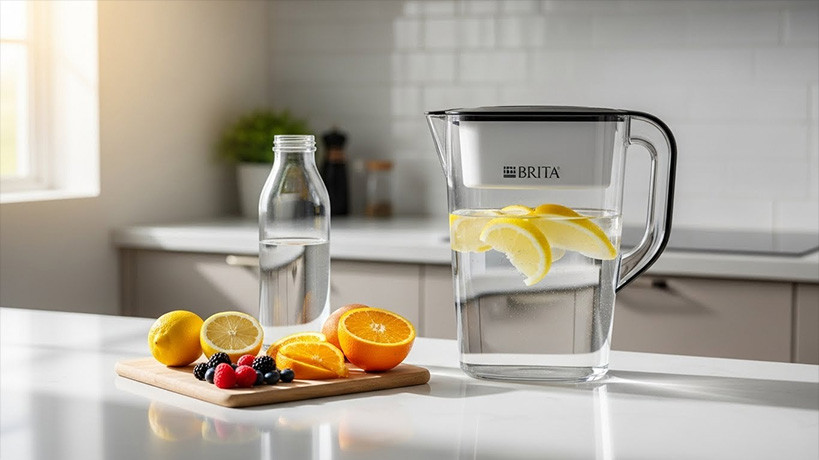
Taste is one of the most immediate barriers. Minerals like chlorine, added during municipal treatment, can leave water with a chemical aftertaste. Similarly, odors—ranging from metallic to musty—can come from old pipes or natural compounds in the water supply. Even if the water meets safety standards, these subtle cues can undermine confidence and comfort.
This is where a solution like the Brita Water Pitcher becomes relevant. Designed to reduce impurities and improve flavor, it addresses the common concerns that keep many from reaching for a glass of tap water. By filtering out elements that affect taste and smell, it offers a more consistent and pleasant drinking experience—making hydration feel like a natural choice, not a compromise.
What Is the Brita Water Pitcher?
The Brita Water Pitcher is a household filtration system designed to improve the taste and quality of tap water. Compact and easy to use, it fits into most refrigerators and provides a convenient alternative to bottled water by filtering out common tap water impurities.
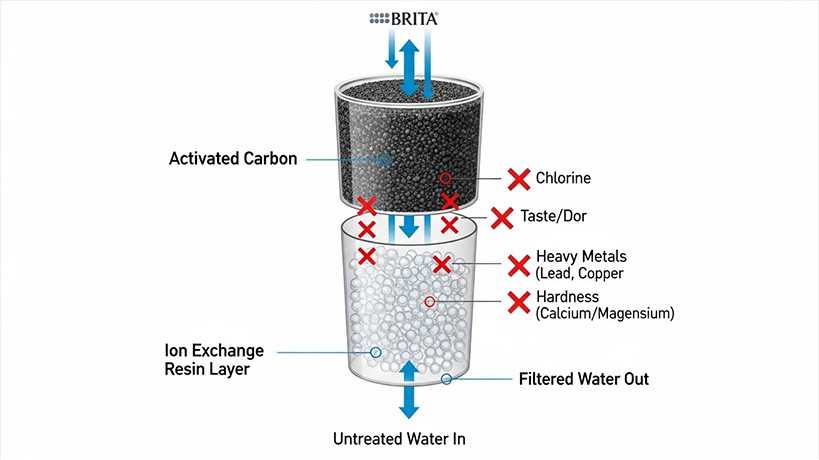
At the core of its filtration system is a dual-stage process: activated carbon and ion exchange resin. The activated carbon, typically made from coconut shells, works to reduce chlorine taste and odor—two of the most noticeable elements that affect how tap water smells and tastes. Meanwhile, the ion exchange resin targets heavy metals like lead and copper, which can leach into water through aging plumbing systems.
Together, these filtration components help deliver cleaner, better-tasting water with minimal effort. Simply fill the top reservoir, and the pitcher does the rest—filtering water as it flows into the main compartment, ready to pour whenever you need it.
How Brita Filtration Works: The Science Behind Better Water
Brita’s filtration technology is built around a simple yet effective process that significantly improves tap water quality. The key lies in its dual-filtration system—primarily using activated carbon and ion exchange resin—to target both aesthetic and health-related contaminants.
1. Activated Carbon: Tackling Taste and Odor
Activated carbon is the first line of defense. Made from natural materials like coconut shells, it’s processed to create a porous surface that traps contaminants. As water passes through, this layer adsorbs chlorine, the most common culprit behind the chemical taste and smell in tap water. It also helps reduce organic compounds that can affect flavor, making the water taste cleaner and more neutral.
2. Ion Exchange Resin: Targeting Heavy Metals
The second layer of filtration is the ion exchange resin, which focuses on reducing potentially harmful metals. It works by exchanging harmless ions (like sodium or hydrogen) for metal ions found in tap water. This process effectively lowers levels of lead, mercury, copper, and cadmium—metals that may enter water through old pipes or plumbing corrosion.
By combining these two methods, Brita filters not only make water taste better but also help reduce contaminants that could pose long-term health concerns. The result is water that’s clearer, fresher, and more enjoyable to drink—without requiring complex equipment or installation.
Health Benefits: Cleaner Water You’ll Feel Good About Drinking
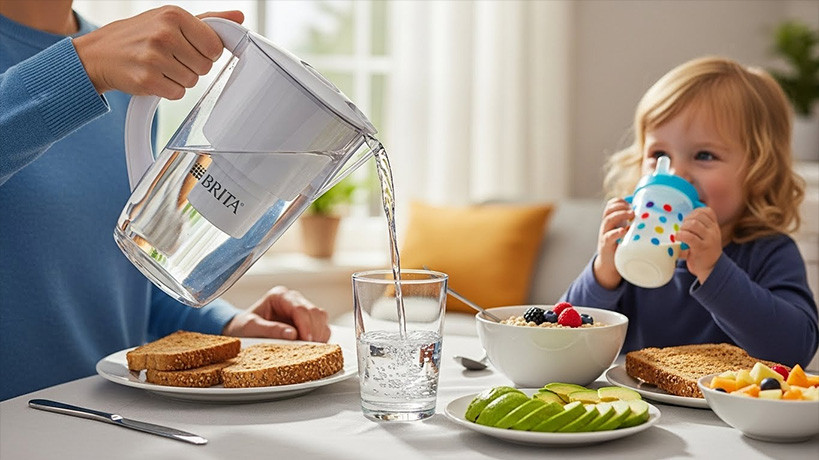
Choosing filtered water isn't just about improving taste—it also supports long-term wellness. Brita’s filtration system helps reduce exposure to a range of tap water contaminants, offering peace of mind with every pour.
Reduced Taste-Impacting Contaminants
By filtering out chlorine and other organic compounds that affect flavor and smell, Brita makes water more enjoyable to drink. This matters because when water tastes better, you're more likely to drink enough of it—supporting better hydration, energy levels, and overall health.
Lower Exposure to Heavy Metals
More importantly, Brita filters target heavy metals like lead, mercury, copper, and cadmium. These substances, often introduced through outdated plumbing or environmental pollution, can accumulate in the body over time and are linked to various health concerns. By minimizing their presence in your drinking water, Brita adds a layer of protection—particularly important for young children, pregnant individuals, and those in older homes.
In short, the Brita Water Pitcher helps turn an everyday habit into a healthier one. With cleaner, fresher-tasting water always within reach, it's easier to stay hydrated and make choices that benefit your well-being.
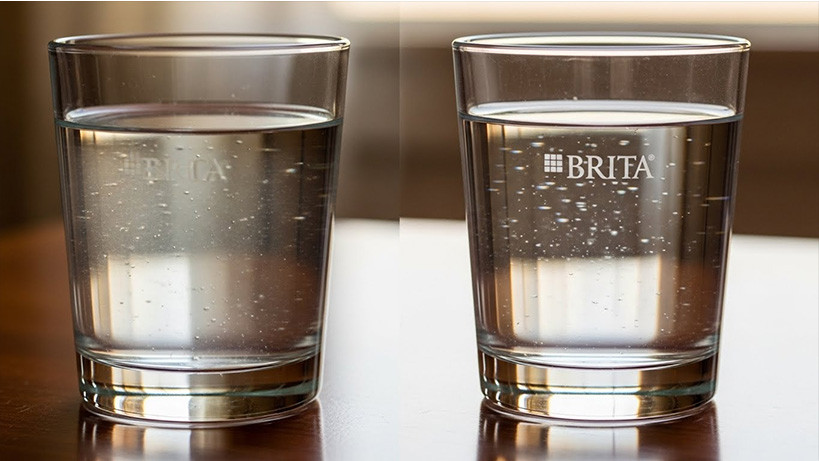
Taste Transformation: From Bland to Refreshing
The difference between tap and filtered water often comes down to taste. Many tap water sources carry residual chlorine—used to disinfect municipal supplies—which can leave a flat, chemical aftertaste. Add to that occasional musty or metallic odors from aging infrastructure, and drinking water can quickly become an unpleasant experience.
Brita’s filtration system helps transform that experience by removing chlorine and reducing odor-causing compounds. The result is water that tastes cleaner, crisper, and more refreshing—free from the lingering flavors that discourage regular sipping.
This improvement in taste isn’t just a bonus—it can positively influence daily hydration habits. When water is more enjoyable, people naturally reach for it more often, replacing sugary or caffeinated alternatives with a healthier choice. Over time, this shift supports better hydration, which is key to energy, focus, and overall health.
With Brita, a simple change in taste can lead to a meaningful change in behavior—making it easier to stay hydrated without forcing the habit.
Brita vs. Untreated Tap Water: Everyday Drinkability
Filtered water isn’t just for drinking—it improves the overall quality of everything you prepare in the kitchen. From beverages to meals, the cleaner taste and reduced impurities of Brita-filtered water make a noticeable difference in daily routines.
Coffee and tea taste cleaner and more nuanced. Since these beverages are mostly water, using filtered water helps eliminate the bitter or metallic undertones caused by chlorine and minerals in tap water. This allows the natural flavors of your beans or tea leaves to shine through.
Juices and concentrates stay true to flavor. When mixing drinks or diluting concentrates, unfiltered water can introduce unwanted aftertastes. Brita removes these taste-altering elements, keeping your drinks crisp and consistent.
Cooking benefits from purer water. Whether boiling pasta, making soups, or cooking grains, filtered water helps ensure that flavors stay clean. It also reduces the chance of mineral build-up in cookware over time.
With Brita, you're not just improving hydration—you're enhancing every recipe and refreshment that starts with water. It’s a simple switch that elevates the taste and quality of your everyday meals and drinks.
Comparing Filters: Standard vs. Elite Cartridge
Brita offers two main filter options for its water pitchers—Standard and Elite—each designed to meet different usage needs and preferences. While both improve taste and reduce common contaminants, they vary in lifespan and filtration performance.
Standard Filter
The Standard filter is the everyday choice for most households. It uses activated carbon and ion exchange resin to reduce chlorine (taste and odor), copper, mercury, and cadmium. It’s recommended to replace the Standard filter every 2 months or 40 gallons of use. Ideal for regular daily use, it offers reliable performance at a lower upfront cost.Elite Filter
The Elite filter offers enhanced durability and extended filtration. It’s designed to last up to 6 months or 120 gallons, reducing the frequency of replacements. In addition to the same core contaminants, it provides longer-lasting performance and is more effective at trapping finer particles. It's a solid choice for busy households or those looking to minimize maintenance.
Performance Trade-Offs
While both filters are certified to reduce key contaminants, the trade-off lies in longevity and cost. The Standard filter is more affordable but requires more frequent changes. The Elite filter costs more upfront but lasts three times longer, making it more convenient over time.
Choosing between them depends on your household’s water use and how often you want to change filters. Either way, both options support cleaner, better-tasting water—tailored to fit your routine.
Taste Tests & Consumer Feedback
Real‑world feedback generally supports the idea that Brita pitchers make a noticeable difference in how tap water tastes, especially when compared side‑by‑side with untreated water. Many users report that filtered water tastes cleaner, fresher, and more pleasant—often describing it as free from the chemical or “chloriney” notes they detected in unfiltered tap water.
User reviews frequently highlight improved flavor and reduced odor after switching to Brita. For example, customers reviewing Brita pitchers note that the filtered water tastes better than unfiltered and is a good alternative to bottled water.
Online community feedback also reflects similar sentiment, with individuals saying their Brita‑filtered water tastes better—even comparing it favorably to bottled water.
Survey data from filtration overviews suggest a large majority of users experience better water taste after installing a Brita filter, with reported improvements in taste in about 85% of surveyed cases.
While typical taste experiences can vary depending on local water quality and personal preference, the consensus in consumer feedback is that Brita pitchers consistently enhance drinkability—making water more enjoyable and encouraging people to drink more throughout the day.
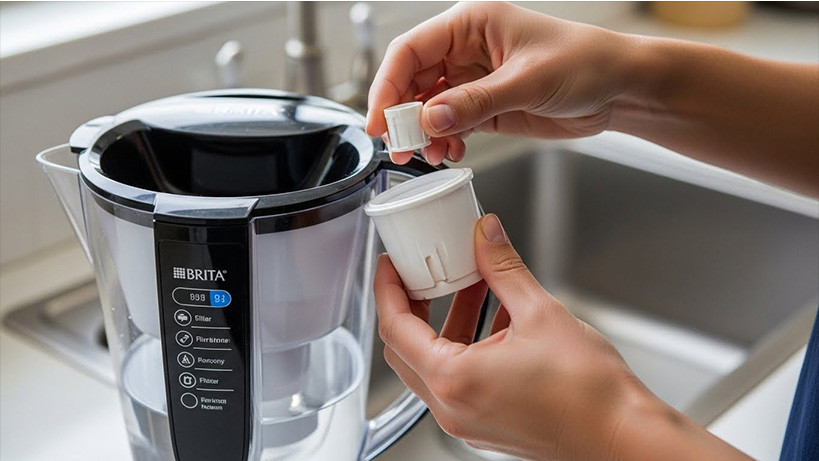
Safety Tips: Maintenance & Filter Replacement
To ensure your Brita pitcher continues to deliver clean, great-tasting water, regular filter replacement is essential. Over time, the filter media becomes saturated with the very contaminants it’s designed to remove. If not changed as recommended, it can lose effectiveness—compromising taste, odor reduction, and potentially allowing unwanted substances to build up.
Taste and Odor Decline: As filters age, chlorine and other impurities may no longer be fully removed, leading to a noticeable decline in water freshness.
Microbial Risks: An overused filter can also harbor bacteria if water sits too long without proper flow. While Brita filters are not designed to remove biological contaminants, timely replacements help minimize conditions that allow microbial growth.
Brita recommends replacing the Standard filter every 2 months (or 40 gallons) and the Elite filter every 6 months (or 120 gallons). Most pitchers come with filter change indicators—either electronic or manual—to help track usage.
For optimal performance:
Store the pitcher in the refrigerator or a cool, dark place.
Clean the pitcher regularly, especially the reservoir and lid.
Never use hot water in the filter; it's designed only for cold tap water.
Following these maintenance tips helps keep your water tasting fresh and ensures the filter continues to do its job effectively—supporting both your hydration and your health.
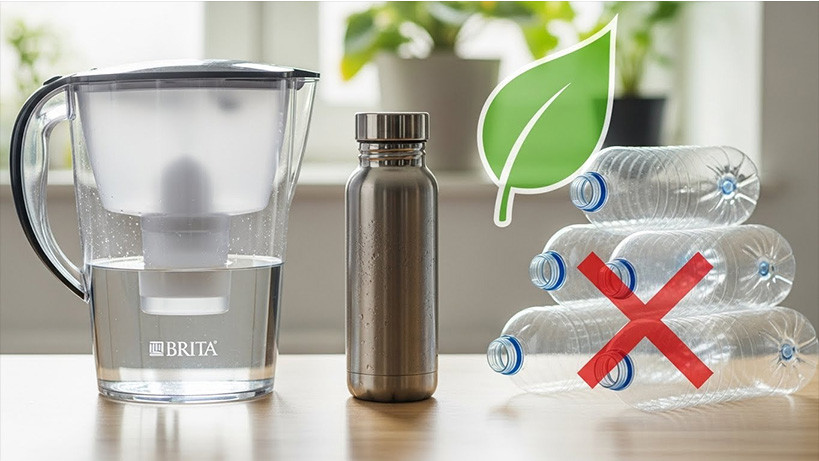
Environmental & Lifestyle Benefits
Switching to a Brita water pitcher isn’t just a smart choice for taste—it’s a meaningful step toward more sustainable living. One of the biggest benefits is the reduction of single-use plastic bottles, which contribute significantly to global waste and environmental pollution.
Fewer Plastic Bottles: A single Brita filter can replace up to 300 standard 16.9 oz water bottles, drastically cutting down on plastic use over time. This helps reduce landfill waste, ocean pollution, and the carbon footprint associated with bottled water production and transportation.
Sustainable Hydration: With filtered water available on demand, there’s less need to rely on bottled alternatives. This encourages consistent hydration at home, at work, or on the go—especially when paired with a reusable bottle.
Low-Energy Solution: Unlike some filtration systems that require electricity or plumbing modifications, Brita pitchers are a low-energy, low-waste alternative. They fit easily into most lifestyles and routines, making sustainability more accessible.
By choosing a Brita pitcher, you’re not just improving what’s in your glass—you’re making a choice that aligns with broader environmental values. It’s a practical, everyday action that contributes to a cleaner planet and a more responsible way to stay hydrated.
Who Should Consider a Brita Pitcher? Everyday Use Cases
Brita pitchers offer a simple, effective way to improve water quality—making them a practical fit for a wide range of lifestyles. Whether you're focused on taste, health, or convenience, this filtration system meets the needs of different users without the cost or complexity of built-in solutions.
Daily Water Drinkers: If you’re working toward better hydration habits, having filtered water that tastes good encourages more frequent sipping throughout the day.
Families and Households: For parents and caregivers, Brita offers peace of mind by reducing contaminants like lead and chlorine—especially important for children and households in older homes.
Coffee and Tea Enthusiasts: Water quality directly affects the flavor of brewed drinks. Brita helps bring out cleaner, more balanced notes in your daily cup by removing flavor-masking impurities.
Fitness and Wellness Focused: Gym-goers and health-conscious individuals benefit from easy access to filtered water for pre- and post-workout hydration—without relying on bottled options.
Budget-Conscious Shoppers: For those looking to improve water quality without investing in expensive filtration systems, Brita provides an affordable, low-maintenance solution.
In short, Brita pitchers fit naturally into everyday routines—offering better taste, peace of mind, and a more sustainable way to hydrate.
An Everyday Essential for Better Drinking Water
At its core, the Brita Water Pitcher is about making clean, refreshing water an easy part of your daily life. By improving taste, reducing common contaminants, and offering a more sustainable alternative to bottled water, it supports better hydration habits without complicating your routine.
Whether you're filling up a glass, brewing coffee, or prepping a meal, Brita helps ensure the water you use is something you feel good about. The result is healthier-feeling, better-tasting water that encourages you to drink more—because it simply tastes right. For everyday hydration, it’s a small shift that delivers lasting value.