 Aug 12, 2025 - 0
Minutes read
Aug 12, 2025 - 0
Minutes read
Keep Your Family Safe: Honest Honeywell Smoke Detector Review and Reliability Breakdown
Introduction: Why Smoke Detectors Are a Must for Every Home
Fire can spread through a home in minutes, leaving little time for escape. According to the National Fire Protection Association (NFPA), U.S. fire departments respond to a home fire every 93 seconds, with thousands of injuries and hundreds of deaths reported each year. In the majority of fatal fires, homes lacked working smoke detectors—a critical yet often overlooked safety measure.
Some of our links may be affiliate links and if you buy through our link, we might generate some commissions.
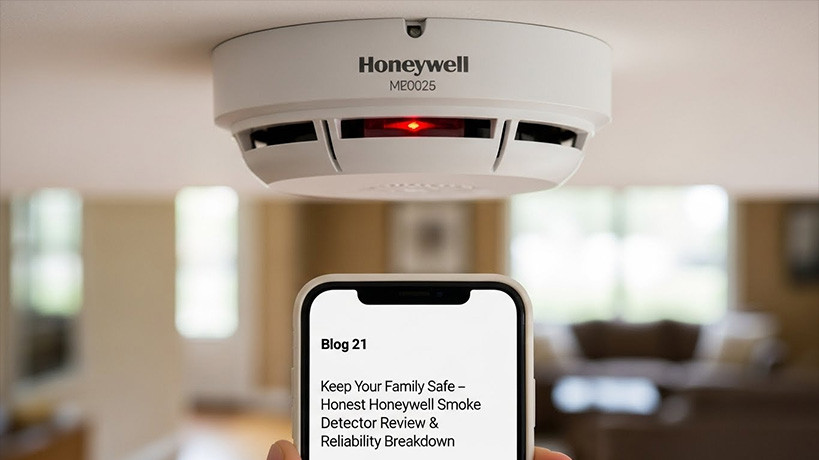
Smoke detectors serve as an essential early warning system, giving residents precious seconds to act. Their primary function is to detect smoke before flames become unmanageable, significantly improving chances of safe evacuation. Devices like the Honeywell Smoke Detector are designed to quickly sense the presence of smoke and alert occupants, even while they sleep.
Whether due to electrical faults, unattended cooking, or heating equipment, fires can happen unexpectedly. A properly installed and maintained smoke detector doesn’t just protect property—it can save lives. Understanding their importance is the first step toward creating a safer living environment for you and your family.
Quick Look: Honeywell Smoke Detector Specs & Safety Features
The Honeywell Smoke Detector is built to meet stringent safety standards while offering reliable, fast-acting detection for residential and commercial spaces. Here's a snapshot of its key specifications and features:
Core Features
Photoelectric Sensor Technology
Detects slow-smoldering fires with high sensitivity, reducing false alarms from steam or cooking smoke.85 dB Audible Alarm
Loud enough to alert occupants throughout the home, ensuring early warning even during sleep.Battery Backup (Model Dependent)
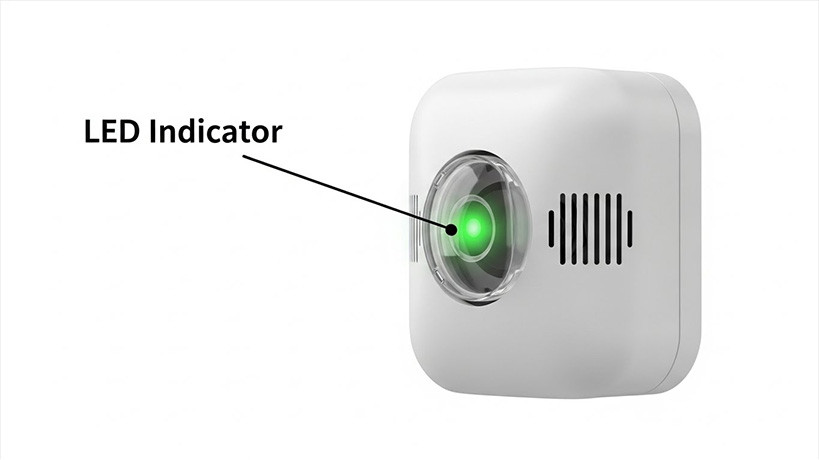
Maintains functionality during power outages for uninterrupted protection.LED Status Indicators
Visual cues for power, alarm, and fault conditions make it easy to monitor device health.Test & Hush Button
Allows users to check functionality and temporarily silence non-emergency alarms.
Technical Specifications
Operating Voltage: 9V battery or 120V AC with battery backup (model-specific)
Operating Temperature Range: 40°F to 100°F (4.4°C to 37.8°C)
Humidity Range: 10% – 85% RH, non-condensing
Mounting: Ceiling or wall-mounted with included hardware
Certifications
UL 217 Compliant
Meets the standard for smoke alarms used in residential settings.NFPA 72 Compatible
Aligns with national fire alarm and signaling code requirements.
Designed with both safety and ease of use in mind, Honeywell’s smoke detectors provide dependable fire detection that meets recognized industry standards.
Early Warning You Can Trust: How Honeywell Detects Fire Fast
Fast detection is critical in a fire emergency—and Honeywell’s smoke detectors are engineered to deliver just that. By using advanced sensing technology, these devices offer rapid, reliable alerts that give occupants the time they need to respond safely.
Advanced Photoelectric Sensing
At the heart of Honeywell’s smoke detection is photoelectric sensor technology, which is especially effective at identifying slow-smoldering fires—the type most likely to occur at night or go unnoticed. The sensor works by detecting light scattered by smoke particles in a sensing chamber. As soon as smoke enters the chamber, the light pattern changes, triggering the alarm almost immediately.
Unlike older ionization models that are more sensitive to fast-flaming fires but prone to false alarms, Honeywell’s photoelectric detectors strike a balance—minimizing nuisance alarms while enhancing responsiveness to real threats.
Dual Detection Capabilities (Model-Dependent)
Select Honeywell models feature dual-sensor technology, combining photoelectric and heat detection to identify a broader range of fire conditions. This enables faster response times across various fire types, from slow-burning upholstery fires to rapid-flame kitchen incidents.
Fast, Audible Alerts
Once smoke is detected, the Honeywell smoke detector emits an 85-decibel alarm—loud enough to be heard throughout most homes. Some models also include voice alerts and interconnectivity options, allowing alarms in different rooms to sound in unison for a coordinated response.
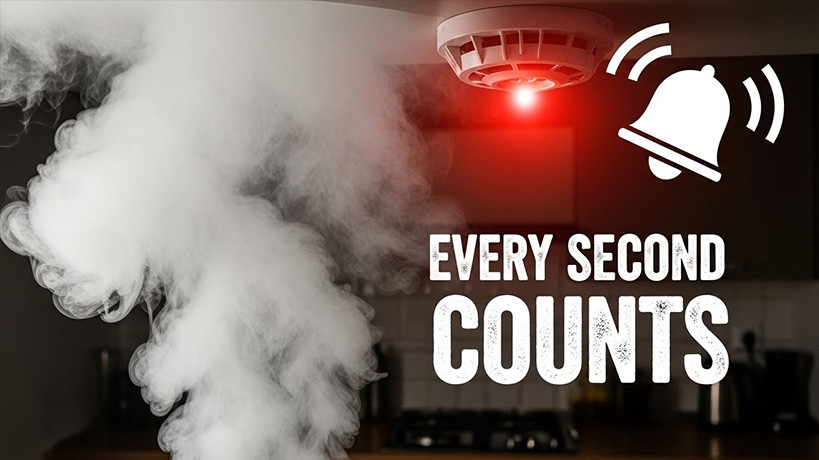
Honeywell’s technology is designed not just to detect fire, but to detect it early—when every second counts. This rapid response system is a vital layer of protection that supports safer evacuation and emergency response.
Real‑World Performance: Reliability in Everyday Use
Home smoke detectors aren’t just about specs on a box—they need to deliver consistent, dependable protection day in and day out. Honeywell smoke detectors are widely regarded for their long‑term reliability and accurate detection, making them a trusted choice for residential fire safety.
Consistent Detection Over Time
Honeywell detectors use photoelectric sensing technology, which maintains high accuracy for detecting visible smoke while minimizing false alarms from everyday sources like steam or cooking. This type of sensor is known for stable performance with fewer nuisance alerts, helping ensure that alarms mean something serious—and not just everyday dust or humidity spikes.
Many Honeywell smoke detectors are designed with automatic drift compensation or calibration features (especially in more advanced models), which preserve detection sensitivity over years of use without frequent manual adjustments. This helps keep performance consistent even as sensors age.
Durability and Long Lifespan
Smoke detectors from Honeywell often have extended service lives, with some multi‑sensor models boasting up to 10 years of operational life on a single sensor before replacement is recommended. This reduces the need for frequent device turnover and supports long‑term reliability.
Practical Everyday Feedback
Across homeowner reviews and general product feedback:
Users report that Honeywell units respond accurately when tested monthly, giving confidence that the system will act when needed.
The combination of audible alerts and clear LED indicators helps homeowners quickly understand device status—whether it’s normal operation, low battery, or an actual alarm event.
Most owners find the detectors simple to maintain, with easy battery access and intuitive testing buttons that encourage regular checks.
Low False Alarm Rates
Because nuisance alarms can lead people to disable detectors (which defeats their purpose), Honeywell’s focus on precise smoke detection and reduced false alarms enhances real‑world reliability. Stable performance in everyday environments means people are more likely to trust and maintain their detectors properly.
In everyday use, Honeywell smoke detectors combine accurate detection, long service life, and straightforward maintenance, making them a reliable safety addition that homeowners can depend on for years.
Installation & Setup: Easy Steps to Protect Your Family
Setting up a Honeywell smoke detector is a straightforward process that most homeowners can handle without professional help. Whether you’re installing a single unit or integrating multiple alarms across your home, following a few key guidelines ensures optimal performance and safety.
1. Choose the Right Locations
Proper placement is essential for effective smoke detection. Here are general recommendations:
Install in every bedroom, outside sleeping areas, and on each level of the home—including the basement.
Mount on ceilings at least 4 inches away from walls; if wall-mounted, position the unit 4 to 12 inches from the ceiling.
Avoid placing detectors near windows, ducts, or fans, which can interfere with smoke detection.
For larger homes or open spaces, consider interconnected models so all alarms sound simultaneously.
2. Quick and Simple Setup
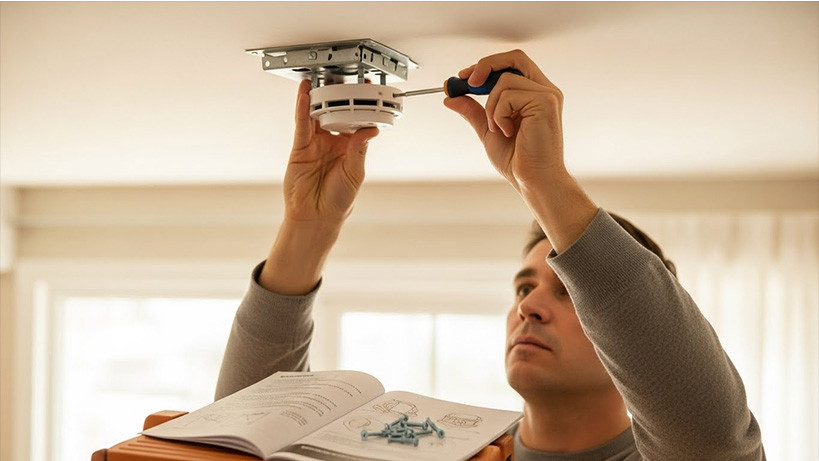
Most Honeywell smoke detectors come with the necessary mounting hardware and detailed instructions. The basic steps include:
Power the device: Install the provided battery or connect to AC power with backup (model dependent).
Use the mounting bracket: Secure the bracket to the wall or ceiling using the screws included.
Attach the detector: Align the detector to the bracket and twist into place.
Test the alarm: Use the built-in test button to verify that the unit is working correctly.
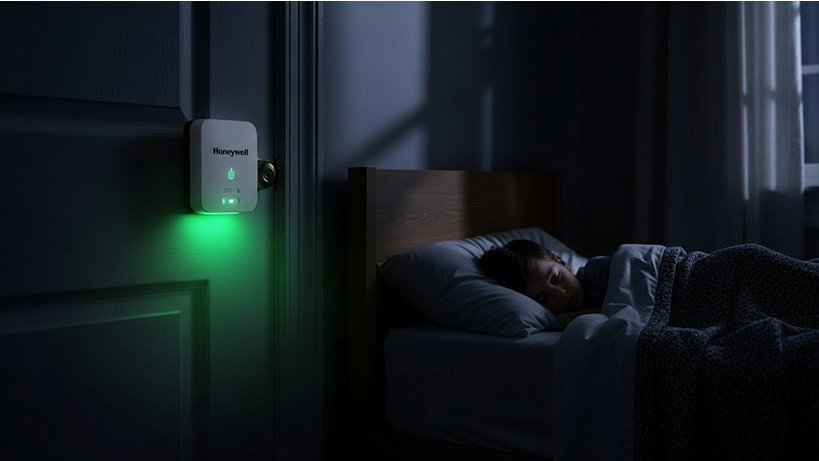
LED indicators will confirm device status—green for normal, red for alarm, and amber or blinking patterns for errors or low battery.
3. Smart Home Integration (Select Models)
Some Honeywell models support smart home connectivity via Z-Wave or Honeywell’s own smart systems. With these, users can:
Receive mobile alerts in case of smoke detection.
Monitor battery levels remotely.
Integrate with other devices like smart thermostats or security systems for coordinated emergency responses.
Integration typically involves syncing the detector with your smart home hub using the app interface provided by your home automation system.
With intuitive design, clear placement guidelines, and optional smart features, installing a Honeywell smoke detector is a simple yet vital step toward ensuring your family's safety. Proper setup today could make all the difference in an emergency.
Smart Alerts & Sensor Technology: What Sets Honeywell Apart
Honeywell smoke detectors go beyond basic fire alerts by integrating advanced technologies that enhance both responsiveness and usability. These features are designed to minimize delays, reduce false alarms, and keep users informed—even when they’re not at home.
Dual-Sensor Design for Broader Protection
Select Honeywell models use dual-sensor technology, combining photoelectric smoke sensing with fixed-temperature or rate-of-rise heat detection. This hybrid approach allows the detector to respond effectively to both:
Smoldering fires (like those from upholstery or wiring), and
Fast-flaming fires (such as those in kitchens or from accelerants).
This significantly improves detection speed and accuracy across a wider range of fire scenarios while reducing false alarms from everyday triggers like cooking or humidity.
Voice Alerts for Clearer Communication
Some Honeywell models incorporate voice alert capabilities, which provide verbal instructions in addition to a traditional audible alarm. This feature helps:
Differentiate between types of hazards (e.g., smoke vs. carbon monoxide).
Offer specific location cues (e.g., “Smoke detected in the kitchen”), which are especially helpful in homes with multiple interconnected alarms.
Voice alerts reduce confusion during high-stress situations, improving the chances of a swift, correct response.
App Notifications & Remote Monitoring
For models with smart home compatibility (such as Z-Wave enabled detectors or those integrated into Honeywell’s Total Connect system), users can receive real-time alerts on their smartphones. Features may include:
Instant smoke or CO detection alerts
Battery and device status updates
Integration with smart security systems for coordinated emergency actions (e.g., unlocking doors, shutting down HVAC)
These connected features are ideal for monitoring second homes, checking on elderly family members, or simply staying informed while away from home.
By combining multi-sensor precision, intelligent alerts, and remote access features, Honeywell smoke detectors deliver a level of safety and control that stands out in today’s fire detection market. It's protection that adapts to modern living—smart, reliable, and built for peace of mind.
Battery Life & Maintenance: Keeping Your Detector Ready
A smoke detector is only as effective as its ability to stay powered and alert. Honeywell designs its smoke detectors for long battery life and low-maintenance operation, but routine care is still essential to ensure continuous protection.
Long-Lasting Power Options
Honeywell offers models with both standard replaceable batteries and sealed lithium battery options:
Replaceable 9V or AA Batteries: Common in basic models, typically requiring replacement once a year.
Sealed 10-Year Lithium Batteries: Found in newer models, these offer maintenance-free operation over the detector’s lifespan—eliminating the need for annual battery changes.
Regardless of the battery type, it’s important to test the detector monthly and replace units entirely after their rated lifespan (usually 10 years).
Clear Low-Battery Alerts
Honeywell detectors provide audible and visual low-battery indicators, helping users act before protection lapses:
Chirping sound: A consistent beeping signals a low battery.
LED indicators: Many models flash yellow or red to show battery or sensor issues.
Smart-enabled detectors also send app notifications for low battery or maintenance needs, adding another layer of convenience.
Routine Maintenance Tips
To keep your Honeywell smoke detector operating at peak performance:
Test monthly using the test button.
Vacuum or dust the unit every 6 months to prevent buildup that may block the sensor.
Avoid painting over the detector, which can interfere with sensor function.
Replace entire units every 10 years, even if still functional, as sensors can degrade over time.
With proper battery management and a few simple maintenance steps, Honeywell smoke detectors deliver consistent, reliable protection—ensuring they’re always ready when you need them most.
Pros & Cons: Unfiltered Verdict for Homeowners
Choosing the right smoke detector means weighing real-world performance against practical considerations. Honeywell’s smoke detectors are widely trusted for their reliability and feature set, but as with any product, they come with both strengths and limitations.
Pros
Reliable Detection Technology
Photoelectric and dual-sensor models provide quick, accurate detection across smoldering and flaming fire types, reducing false alarms.Strong Build Quality
Honeywell devices are built for long-term use, with many models offering 10-year lifespans and robust hardware.Smart Home Compatibility
Select models support Z-Wave or integrate with Honeywell smart systems, allowing for remote alerts, system monitoring, and home automation connectivity.User-Friendly Alerts
Clear LED indicators, loud 85 dB alarms, and optional voice alerts make it easy to understand and respond to warnings.Low-Maintenance Options
Long-life batteries and sealed lithium models reduce the hassle of regular battery replacement.
Cons
Smart Features Limited to Select Models
Not all Honeywell detectors include app connectivity or smart home integration—these are typically reserved for higher-end units.Initial Cost Can Be Higher
Dual-sensor or smart-enabled models may carry a premium price compared to basic alarms from other brands.Setup Can Vary by Model
While most installations are straightforward, models with interconnectivity or smart integration may require extra setup time or familiarity with home automation systems.No Built-in CO Detection in All Models
Some Honeywell smoke detectors are smoke-only, so homeowners looking for combined smoke and carbon monoxide protection may need to purchase additional units.
Bottom Line: Honeywell smoke detectors deliver solid, dependable performance with thoughtful safety features and smart integration—particularly in mid-to-high-tier models. While basic models offer essential protection, those looking for full-featured smart safety may need to invest a bit more or ensure compatibility with their existing systems.
Compare: Honeywell vs Other Smoke Detectors on the Market
With numerous smoke detector brands available, choosing the right one can be overwhelming. Honeywell stands out for its blend of professional-grade engineering, consistent performance, and smart capabilities—but how does it compare to other top brands like First Alert, Kidde, or Nest?
Honeywell vs First Alert
First Alert offers a wide range of detectors, including combination smoke and CO alarms with voice alerts and smart features.
Honeywell often leads in commercial-grade reliability and sensor accuracy, especially in dual-sensor and system-integrated models.
Advantage: Honeywell’s robust integration with home security and automation systems gives it an edge in professional-grade setups.
Honeywell vs Kidde
Kidde is known for affordable, easy-to-find detectors, but often uses ionization sensors, which are more prone to false alarms in kitchens or bathrooms.
Honeywell favors photoelectric and dual-sensor designs, offering better accuracy for the most common household fires.
Advantage: Honeywell provides better detection reliability and fewer nuisance alarms over time.
Honeywell vs Nest Protect (Google Nest)
Nest Protect dominates the smart home market with Wi-Fi connected alarms, voice alerts, and app control—but at a premium price.
Honeywell offers similar smart features (on select models), typically with Z-Wave or proprietary integration rather than standalone apps.
Advantage: Honeywell appeals to users looking for smart functionality within larger home security ecosystems—often at a lower cost than Nest.
In summary: While First Alert and Kidde are strong in accessibility and Nest in smart tech, Honeywell distinguishes itself with industrial-grade sensor technology, fewer false alarms, and integration-ready designs. It’s a strong choice for homeowners seeking dependable, scalable fire protection without unnecessary complexity.
Common Questions About Honeywell Smoke Detectors (FAQ)
Here are answers to some of the most frequently asked questions about Honeywell smoke detectors, covering installation, maintenance, and day-to-day use.
1. How do I install a Honeywell smoke detector?
Most Honeywell detectors come with mounting brackets and hardware. Simply attach the bracket to the ceiling or wall, connect the unit (battery or wired), and test using the built-in test button. Smart-enabled models may require pairing with a hub or app.
2. Where should I place my detectors?
Install detectors:
In each bedroom
Outside sleeping areas
On every level of the home, including basements
Avoid placing them near vents, fans, or cooking appliances to reduce false alarms.
3. How often should I replace the battery?
Standard battery models: Replace the battery once a year.
10-year sealed battery models: No battery changes needed—replace the entire unit after 10 years.
Low battery warnings include a chirping sound and/or LED indicator. Some smart models also send app notifications.
4. Do Honeywell smoke detectors cause false alarms?
Honeywell uses photoelectric and dual-sensor technology to reduce false alarms. However, placing detectors too close to bathrooms or kitchens may still trigger nuisance alerts. Use the built-in hush button to silence non-emergency alarms temporarily.
5. Are Honeywell smoke detectors compatible with smart home systems?
Select models support Z-Wave, Honeywell Home systems, or other third-party smart platforms. These can send mobile alerts, integrate with security systems, and provide remote monitoring. Compatibility varies by model.
6. How long do Honeywell smoke detectors last?
Most Honeywell detectors are rated for 10 years. After that, replace the unit—even if it still appears to function—to ensure sensor reliability.
7. Can Honeywell detectors detect carbon monoxide too?
Not all models offer carbon monoxide detection. If CO protection is needed, look for combination smoke and CO alarms or install a separate CO detector alongside your smoke unit.
These answers reflect common user concerns and offer guidance for maintaining safe, reliable smoke detection throughout your home.
Is This the Right Smoke Detector for Your Home?
Honeywell smoke detectors offer a solid combination of accuracy, durability, and smart functionality, making them a dependable choice for home fire safety. Whether you opt for a basic photoelectric model or a smart, dual-sensor unit integrated with your home security system, Honeywell delivers consistent performance with minimal false alarms and user-friendly features.
Their long service life, responsive alert systems, and availability of smart integrations make them well-suited for both everyday households and connected homes. While higher-end models may come at a premium, the investment supports peace of mind—especially for families seeking reliable, scalable protection.
Bottom line: If you’re looking for a smoke detector that combines industry-standard detection with smart home readiness and low-maintenance reliability, Honeywell is a strong fit for enhancing your home’s safety without adding complexity.
Safety Tips Every Family Should Know
While a reliable smoke detector like those from Honeywell is a critical first line of defense, it’s only part of a broader home fire safety plan. Here are key fire safety practices every household should follow to stay protected:
🔥 1. Create and Practice a Fire Escape Plan
Develop a plan with at least two exits from every room.
Practice fire drills twice a year, including at night.
Teach children how to escape safely and where to meet outside.
🔥 2. Test Detectors Monthly
Use the test button on each smoke detector to confirm it’s working.
Replace batteries (or the entire unit, if needed) according to manufacturer guidelines.
🔥 3. Keep Fire Extinguishers Accessible
Place extinguishers in key areas like the kitchen, garage, and near exits.
Learn how to use them with the PASS method: Pull, Aim, Squeeze, Sweep.
🔥 4. Stay Alert in the Kitchen
Never leave cooking unattended.
Keep flammable items like towels and curtains away from stovetops.
Install a smoke detector near, but not inside, the kitchen to avoid false alarms.
🔥 5. Maintain Electrical Safety
Don’t overload outlets or power strips.
Replace damaged cords and avoid running them under rugs or furniture.
🔥 6. Monitor Heat Sources
Keep space heaters at least three feet from anything flammable.
Turn them off when leaving the room or going to bed.
🔥 7. Teach Kids Fire Safety Basics
Show children what smoke detectors sound like.
Teach them to “Stop, Drop, and Roll” if their clothes catch fire.
Make sure they know how to dial 911 in an emergency.
Combining these simple yet effective safety habits with a well-maintained Honeywell smoke detector system helps ensure your home is prepared—giving your family the time and awareness they need to stay safe.