 Jun 16, 2025 - 0
Minutes read
Jun 16, 2025 - 0
Minutes read
Philips LED Headlight Review: Performance, Beam Pattern, and Legal Compliance
Introduction: Why Night Driving Demands Better Headlights
Driving after dark presents a very different set of challenges compared to daytime conditions. Reduced ambient light limits how far and how clearly drivers can see, while glare from oncoming traffic and poorly lit roads increase eye strain. Over time, this constant visual adjustment can lead to faster fatigue—one of the most overlooked safety risks during night driving.
Some of our links may be affiliate links and if you buy through our link, we might generate some commissions.
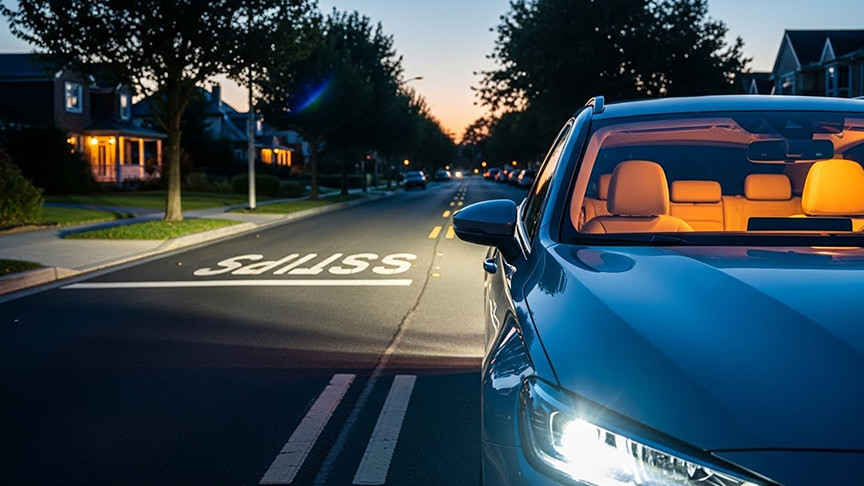
Traditional halogen headlights often struggle to deliver consistent, far-reaching illumination in these conditions. Their warmer, dimmer light output can make it harder to spot lane markings, road signs, pedestrians, or sudden obstacles until drivers are much closer than ideal. This reduced reaction window can significantly impact nighttime safety.
As a result, many drivers are turning to LED headlights as a practical upgrade. LED technology produces a brighter, whiter light that more closely resembles natural daylight, improving contrast and overall road clarity after dark. Upgrading to Philips Car LED Headlights helps drivers see farther, respond sooner, and reduce eye strain—making nighttime driving feel more controlled, comfortable, and secure.
Overview of Philips LED Headlights
As a long-established lighting manufacturer, Philips brings decades of expertise to automotive illumination. Known for its focus on reliability, optical precision, and safety standards, Philips designs lighting solutions that meet the practical needs of everyday driving—not just performance extremes. This background shapes how their LED headlights are engineered, tested, and positioned in the market.
Philips’ automotive LED headlight lineup is built to replace traditional halogen bulbs with minimal complexity. These headlights are designed to deliver brighter, more focused illumination while maintaining beam patterns suitable for regular road use. Rather than prioritizing aggressive brightness or niche performance features, the emphasis is on balanced light output, consistent color temperature, and dependable visibility across common driving conditions such as city streets, highways, and suburban roads.
Importantly, Philips LED headlights are positioned for daily drivers rather than racing, off-road, or show-car applications. They aim to improve nighttime visibility and driver comfort without requiring major vehicle modifications or specialized setups. For drivers seeking a practical upgrade that enhances safety and clarity during routine commutes and long nighttime drives, Philips LED headlights offer a well-rounded, road-focused lighting solution.
Brightness & Visibility on Dark Roads
When it comes to night driving, usable visibility is more important than headline lumen numbers. **Philips LED headlights are designed to improve how light performs on real roads—focusing on coverage, distance, and clarity rather than excessive brightness that can cause glare or eye strain.
Road coverage and distance visibility
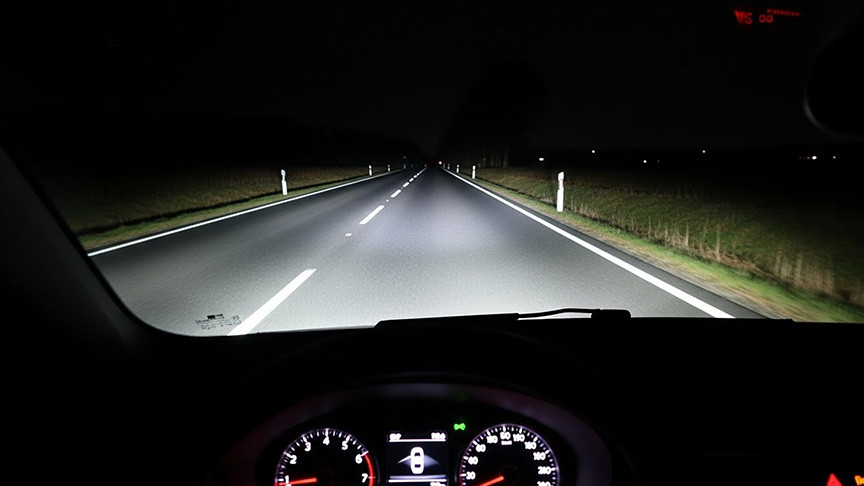
Philips LED headlights deliver a balanced beam pattern that spreads light evenly across the lane and toward the road edges. This reduces dark spots and harsh hotspots, helping drivers see farther ahead and react earlier to changes in road conditions.Performance on unlit highways and rural roads
On roads without street lighting, consistent illumination is critical. Philips LED headlights provide steady, forward-reaching light that improves visibility beyond the immediate foreground—making it easier to spot curves, roadside hazards, and animals in low-light rural environments.Improved contrast for pedestrians, signs, and lane markings
The whiter, more daylight-like light output enhances contrast at night. Reflective signs, lane markings, and pedestrians stand out more clearly against dark surroundings, supporting quicker recognition and more confident decision-making behind the wheel.
By prioritizing real-world visibility over raw brightness claims, Philips LED headlights help create a clearer, more controlled driving experience on dark roads.
Beam Pattern Accuracy: Seeing More Without Glare
Effective headlights aren’t just about brightness—they’re about control. Beam pattern accuracy plays a critical role in both road safety and legal compliance, ensuring drivers can see more of the road ahead without creating glare for others. **Philips LED headlights are designed to prioritize precise light distribution, not excessive output.
Cutoff line sharpness
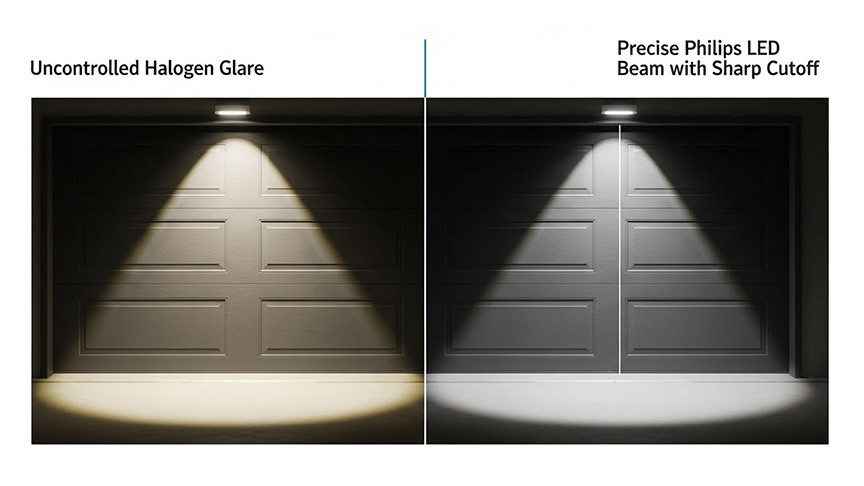
A well-defined cutoff line helps keep light focused on the road where it’s needed most. Philips LED headlights are engineered to maintain a sharp, controlled cutoff that limits upward light spill. This improves forward visibility for the driver while reducing glare for oncoming traffic and drivers ahead.Light spread consistency
Consistent light distribution across the beam pattern minimizes distracting bright spots and shadowed areas. An even spread of light helps drivers maintain visual comfort and better judge distances, especially during extended night driving or in changing road conditions.Impact on oncoming traffic visibility
Poorly designed beam patterns can impair the vision of other road users, increasing the risk of accidents. By controlling glare and maintaining proper beam alignment, Philips LED headlights help preserve visibility for oncoming drivers, supporting safer interactions on shared roads and helping vehicles remain compliant with road-use regulations.
Accurate beam patterns allow drivers to see more without blinding others—striking the balance between improved visibility, safety, and responsible road use.
Color Temperature and Eye Comfort at Night
Brightness alone doesn’t define good nighttime visibility—how the light feels to the eyes is just as important. Color temperature plays a major role in driver comfort, focus, and fatigue during night driving. **Philips LED headlights are designed to strike a balance between visual clarity and long-term comfort, especially for everyday use.
Cool white vs. warm white trade-offs
Cool white light improves contrast and makes road details appear sharper, while overly warm light can reduce clarity at distance. Philips LED headlights typically sit in a balanced color temperature range, delivering a crisp white light that enhances visibility without the harsh, blue-tinted glare associated with extreme color temperatures.Reduced eye strain during long night drives
A well-balanced white light helps the eyes adapt more naturally to dark surroundings. By avoiding excessive glare and uneven brightness, Philips LED headlights reduce the constant refocusing that can lead to eye fatigue—making long nighttime drives feel less tiring and more controlled.Performance in rain, fog, and reflective road conditions
In wet or reflective conditions, poorly tuned headlights can cause excessive glare and light scatter. Philips LED headlights are designed to maintain clarity by limiting reflection off wet roads, signs, and lane markings. This helps preserve contrast and depth perception during rain, light fog, or misty conditions, where visibility is already compromised.
By carefully balancing color temperature and brightness, Philips LED headlights support clearer vision and improved comfort—helping drivers stay focused and alert throughout nighttime journeys.
Legal Compliance: Are Philips LED Headlights Road-Legal?
One of the most common concerns drivers have when upgrading headlights is legality. Headlight regulations exist to ensure safety for everyone on the road, and compliance depends on both the product design and how it’s installed. **Philips LED headlights are developed with these regulatory requirements in mind, but legality can vary by region and application.
DOT / ECE compliance considerations
Headlight legality is typically governed by DOT standards in the United States and ECE regulations in many other parts of the world. Philips designs select LED headlight models to meet these standards when used in compatible vehicles and housings. However, compliance is not universal across all vehicles, as regulations often apply to the complete headlamp system—not just the bulb itself.Country- and region-specific legality
Laws differ significantly by market. A Philips LED headlight that is approved under ECE regulations in Europe may not automatically be street-legal in the U.S., and vice versa. Some regions allow LED retrofits only if the entire headlamp assembly is certified, while others permit approved LED replacements in halogen housings. Drivers should always check local regulations before upgrading.Importance of proper installation and alignment
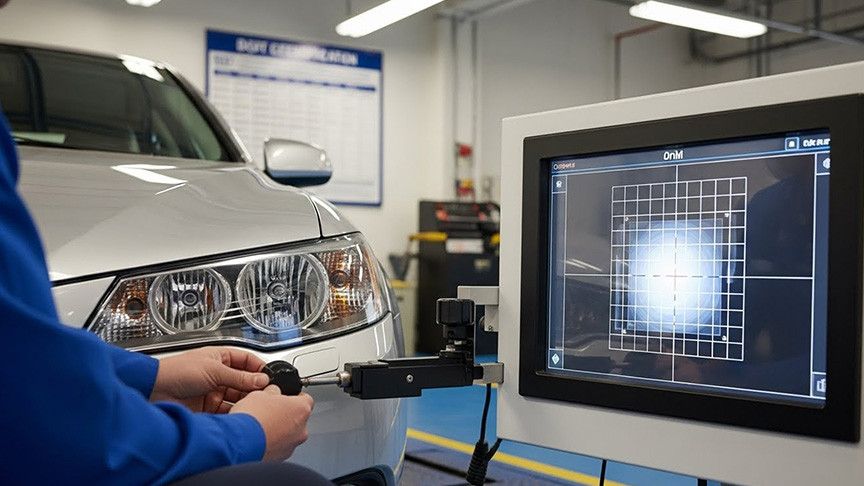
Even a compliant LED headlight can become illegal—or unsafe—if installed incorrectly. Proper alignment ensures the beam pattern stays within legal limits and avoids glare for oncoming traffic. Philips emphasizes correct installation and aiming to maintain beam accuracy, visibility, and road compliance.
In short, Philips LED headlights are engineered with road use in mind, but legality ultimately depends on regional regulations, vehicle compatibility, and correct installation. Checking local laws and following installation guidelines is essential before making the switch.
Installation Fit & Housing Compatibility
Upgrading to LED headlights isn’t just about choosing the right brand—it’s also about ensuring proper fit and compatibility with your vehicle’s existing headlight system. Installation quality directly affects visibility, glare control, and legal compliance. **Philips LED headlights are designed with everyday vehicle setups in mind, but understanding a few practical factors can make the difference between a clean upgrade and a problematic one.
Plug-and-play compatibility
Many Philips LED headlight models are engineered for straightforward, plug-and-play installation. They are designed to fit standard bulb sizes and connect directly to factory wiring, minimizing the need for additional adapters or modifications. This approach helps preserve factory functionality while simplifying the upgrade process for most drivers.Performance in reflector vs. projector housings
Headlight housing design plays a major role in beam control. In projector housings, Philips LED headlights tend to deliver more precise cutoff lines and controlled light distribution. In reflector housings, performance depends heavily on bulb positioning and alignment. When matched correctly, Philips LEDs can improve visibility, but mismatched setups may lead to uneven light spread or increased glare.Common mistakes that can cause glare or legal issues
Improper bulb orientation, incorrect seating depth, or skipping beam alignment after installation are common issues that negatively affect beam pattern accuracy. Using LED bulbs not intended for a specific housing type can also result in excessive glare and non-compliant light output. Following Philips’ installation guidelines and verifying beam aim are essential steps to maintain safe, legal road use.
By ensuring proper fit and housing compatibility, drivers can get the full visibility benefits of Philips LED headlights—without compromising comfort, safety, or compliance.
Night Driving Safety: Practical Benefits Beyond Brightness
Better headlights don’t just make the road look brighter—they change how drivers react, adapt, and stay compliant after dark. When visibility, beam control, and legal alignment work together, the safety benefits become far more practical and measurable. **Philips LED headlights are designed to support these real-world driving advantages without pushing excessive brightness.
Improved reaction time
Clearer forward visibility and better contrast help drivers detect hazards sooner. With more consistent illumination and defined beam patterns, obstacles, pedestrians, and road changes become visible earlier—giving drivers additional time to react, brake, or adjust steering at night.Reduced high-beam dependency
When low-beam headlights provide sufficient reach and clarity, drivers are less reliant on high beams to see ahead. Philips LED headlights improve low-beam performance while maintaining proper cutoff control, reducing the need to switch to high beams and minimizing glare for other road users.Safer urban and highway night driving
In urban environments, improved contrast helps drivers navigate intersections, signage, and pedestrians more confidently. On highways, extended visibility and stable illumination support safer lane keeping and smoother speed adjustments. Combined with proper beam alignment and legal compliance, Philips LED headlights contribute to a safer, more predictable night driving experience across different road types.
By focusing on usable visibility rather than raw brightness, Philips LED headlights enhance nighttime safety in ways drivers can feel—through faster reactions, better control, and more confident driving after dark.
Pros and Cons for Night Drivers
When considering an LED headlight upgrade, it’s important to weigh the practical advantages against potential limitations. For everyday night drivers, **Philips LED headlights offer clear benefits—but results can vary depending on the vehicle and local regulations.
Pros
Strong visibility improvement
Philips LED headlights deliver brighter, clearer illumination than standard halogen bulbs, improving distance visibility and road-edge awareness on dark roads.Controlled beam patterns
Well-defined cutoff lines and consistent light spread help reduce glare while keeping illumination focused where it’s needed most—supporting safer driving for both the user and oncoming traffic.Better contrast and eye comfort
The balanced white light output enhances contrast for signs, pedestrians, and lane markings without causing excessive eye strain during long night drives.Reduced reliance on high beams
Improved low-beam performance means drivers can see farther ahead without frequently switching to high beams, helping maintain comfort and road courtesy.
Cons
Vehicle and housing compatibility matters
Performance can vary depending on whether a vehicle uses reflector or projector housings. Poor matches may lead to uneven light distribution or glare.Legal limitations in some regions
LED retrofit legality depends on country, state, or regional regulations. Some areas require full headlamp certification rather than bulb-only upgrades.Installation sensitivity
Improper installation or alignment can compromise beam accuracy and legal compliance, reducing the benefits of the upgrade.
Overall, Philips LED headlights provide meaningful advantages for night driving, particularly in visibility and beam control. However, drivers should consider vehicle compatibility and local laws to ensure the upgrade delivers safe, compliant, and reliable results.
Final Verdict: Are Philips LED Headlights Worth It for Legal Night Driving?
For drivers focused on safer, more confident night driving, **Philips LED headlights deliver meaningful improvements where it matters most. Rather than chasing extreme brightness, they prioritize controlled illumination, clear contrast, and beam accuracy—all of which translate into real-world visibility gains on dark roads.
From an everyday driving perspective, the visibility upgrade is noticeable. Better road coverage, improved distance reach, and enhanced contrast help drivers spot hazards, pedestrians, and road markings sooner, supporting quicker reaction times and reduced eye fatigue. These benefits are especially valuable on unlit highways, rural roads, and long nighttime commutes.
That said, compliance awareness is essential. While Philips designs its LED headlights with road use in mind, legality ultimately depends on regional regulations, vehicle compatibility, and proper installation. Drivers who take the time to verify local laws, choose the correct bulb type, and ensure accurate alignment are far more likely to enjoy the full benefits without glare or legal concerns.
Who are they best suited for?
Philips LED headlights are an excellent choice for everyday drivers seeking a practical, road-focused upgrade over halogen bulbs—particularly those who value visibility, comfort, and responsible beam control. For drivers willing to prioritize correct fit and legal compliance, they offer a well-balanced solution for safer, more reliable night driving.