 May 16, 2025 - 0
Minutes read
May 16, 2025 - 0
Minutes read
Protect Your Smile: A Complete Oral‑B Electric Toothbrush Review from a Dental Health Perspective
Why Dental Professionals Emphasize Proper Brushing Techniques
Dental professionals consistently stress proper brushing techniques because brushing is the first and most effective line of defense against everyday oral health problems. While most people brush daily, dentists often see that how patients brush matters just as much as how often — especially when it comes to plaque control, gum health, and preventing long‑term damage.
Some of our links may be affiliate links and if you buy through our link, we might generate some commissions.
Plaque Control Starts With Technique
Plaque is a sticky film of bacteria that constantly forms on teeth. If it isn’t removed thoroughly, it can harden into tartar, increasing the risk of cavities and gum disease. Dentists emphasize proper brushing because:
Plaque accumulates most easily along the gumline and between teeth
Incorrect angles or rushed brushing often leave these high‑risk areas untouched
Consistent, methodical brushing helps disrupt plaque before it causes damage
Using a toothbrush designed for effective plaque removal — rather than relying solely on muscle power — can support better cleaning, but this still depends on correct technique and adequate brushing time.
Protecting Gum Health
Gum health is a major focus during dental visits, and brushing habits play a critical role. Improper brushing can irritate or damage the gums, while effective brushing helps keep them healthy and resilient.
Dental professionals often recommend:
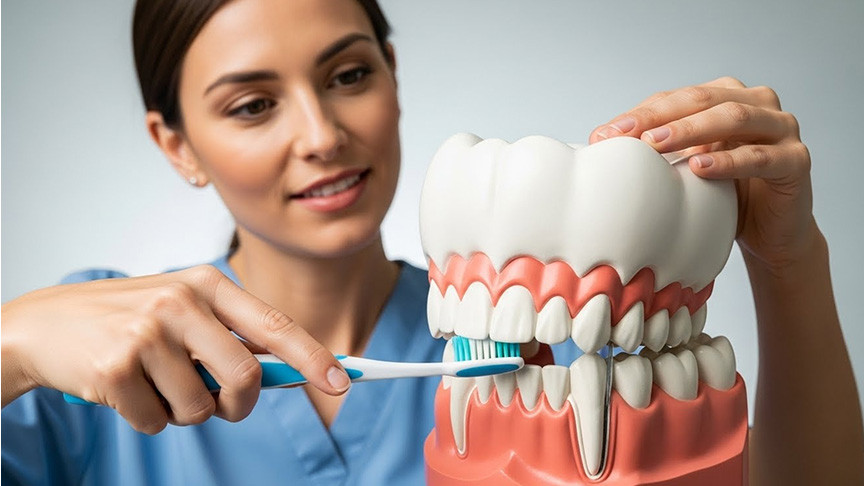
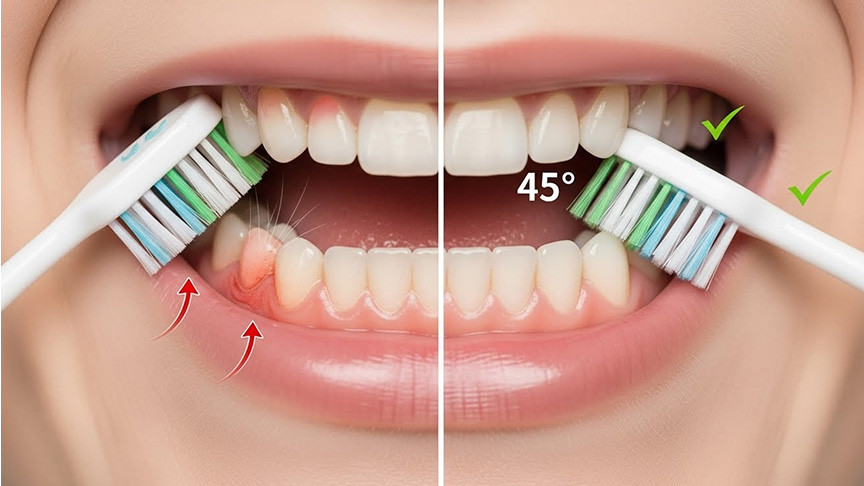
Holding the brush at a 45‑degree angle toward the gumline
Using gentle, controlled motions rather than aggressive scrubbing
Brushing for a full two minutes to ensure even coverage
These habits help remove plaque without causing enamel wear or gum recession, which dentists commonly see in patients who brush aggressively.
Common Brushing Mistakes Dentists See
Even well‑intentioned brushers often make mistakes that reduce effectiveness. Some of the most common issues dental professionals encounter include:
Brushing too hard, which can wear down enamel and irritate gums
Brushing too quickly, missing plaque‑prone areas
Ignoring the gumline, where bacteria tend to accumulate
Using worn‑out brush heads, which clean less effectively
Dentists emphasize technique not to complicate brushing, but to correct these small habits before they lead to bigger oral health concerns.
Why Technique Matters Long‑Term
Proper brushing is a daily habit with long‑term consequences. When done correctly, it supports healthier gums, reduces plaque buildup, and lowers the risk of cavities and gum disease between dental visits. That’s why dental professionals consistently reinforce brushing technique — because small adjustments at home can make a measurable difference in overall oral health.
By combining good technique with reliable tools and consistent habits, patients can align their daily routines more closely with what dental professionals recommend for lasting oral health.
Understanding Electric Toothbrush Technology and Oral Health Impact
Electric toothbrush technology has evolved to address one of the most common challenges dentists see: inconsistent and ineffective plaque removal with manual brushing. Among the widely studied approaches, oscillating‑rotating technology — a motion pattern used in many electric brushes — is designed to improve cleaning precision while encouraging healthier daily brushing habits.
How Oscillating‑Rotating Technology Works
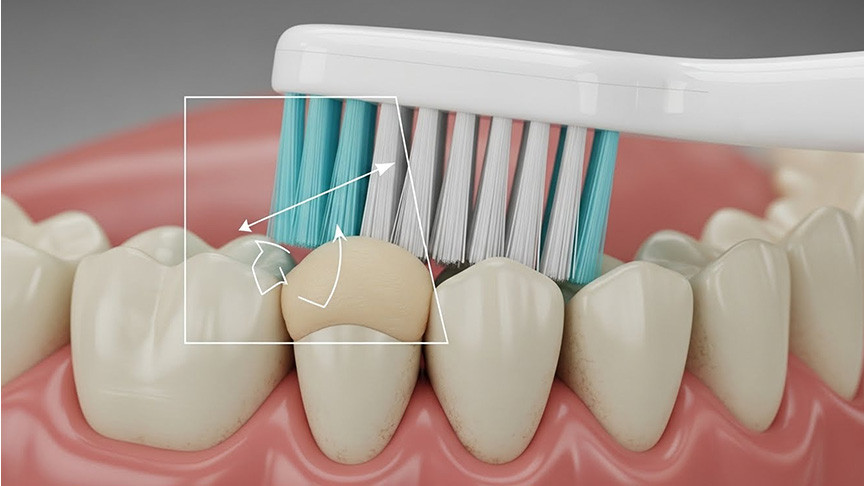
Unlike manual toothbrushes that rely entirely on user technique, oscillating‑rotating toothbrushes use a small, round brush head that moves back and forth while rotating around each tooth. This motion is intentionally engineered to mimic professional dental cleaning tools.
Key characteristics include:
Rapid, controlled movements that break up plaque more efficiently
A round brush head that cups individual teeth for targeted cleaning
Consistent motion that reduces reliance on manual brushing skill
This design allows the toothbrush to do much of the work, helping users clean more thoroughly with less effort.
Why It Removes Plaque More Effectively Than Manual Brushing
Dental professionals often note that manual brushing effectiveness varies widely depending on pressure, angle, and brushing time. Oscillating‑rotating technology helps address these variables by delivering consistent motion at a speed that’s difficult to replicate by hand.
Compared to manual brushing, this technology:
Disrupts plaque buildup more effectively along the gumline
Reaches commonly missed areas, such as around molars and tight spaces
Encourages slower, more methodical brushing habits
As a result, plaque is removed more evenly across the mouth, reducing the likelihood of buildup that can lead to cavities or gum issues.
Supporting Better Gum Health
Gentle but precise movement is critical for protecting gum tissue. Oscillating‑rotating brushes are designed to clean effectively without excessive pressure — a common cause of gum irritation with manual brushes.
Many modern electric toothbrushes also include features that support gum health, such as:
Pressure sensors to discourage brushing too hard
Timers that promote the recommended two‑minute brushing duration
Brush heads tailored for sensitive gums or focused gumline cleaning
These elements help users maintain healthier brushing habits over time.
Oral Electric Toothbrush Design: Built with Dental Precision in Mind
Electric toothbrushes are designed with a clear goal: to replicate the precision and effectiveness of professional dental cleaning tools in an everyday brushing routine. From brush head shape to bristle configuration, each design element supports how dental professionals clean teeth and manage plaque during in‑office care.
Round Brush Head: Inspired by Professional Dental Tools
One distinctive feature of many electric toothbrushes is the small, round brush head. This shape mirrors the polishing cups and cleaning instruments used during professional cleanings.
The round design allows the brush to:
Cup each tooth individually for targeted cleaning
Adapt easily to different tooth shapes and hard‑to‑reach areas
Focus on one tooth at a time, reducing the chance of missed spots
This encourages a more deliberate brushing pattern, similar to how dental professionals work tooth‑by‑tooth.
Bristle Design for Effective Plaque Removal
Bristle configuration plays a critical role in plaque removal. Effective brush heads use carefully arranged bristles that work with oscillating‑rotating motion to disrupt and sweep away plaque.
Key design elements include:
Angled bristles that reach along the gumline
Multi‑level bristles to clean both tooth surfaces and interdental areas
Densely packed bristles for consistent contact without excessive pressure
This combination supports thorough cleaning while remaining gentle on enamel and gums.
Mimicking Professional Cleaning Techniques
Dental professionals rely on controlled, precise movements more than aggressive scrubbing. Electric toothbrush designs support this with features such as:
Small brush heads for controlled access to molars and tight spaces
Bristle movements optimized for plaque at the gumline
Compatibility with pressure‑sensing technology to help prevent overbrushing
Together, these elements help users maintain effective brushing habits without relying on force.
Plaque Removal and Gum Health: What Clinical Insights Suggest
Clinical observations consistently show plaque control is a key factor in maintaining healthy gums. When plaque is not removed effectively, it triggers an inflammatory response in gum tissue — often leading to redness, tenderness, and bleeding.
The Link Between Plaque and Gingival Inflammation
Plaque is a biofilm of bacteria that accumulates continuously on tooth surfaces, particularly along the gumline. If it remains undisturbed, these bacteria release toxins that irritate the gums and contribute to gingival inflammation.
Clinical observations show that:
Early gum inflammation is often reversible with improved plaque removal
The gumline is especially vulnerable to plaque buildup
Inconsistent brushing allows inflammation to persist or worsen
Removing plaque regularly helps reduce the bacterial load that drives these responses.
Why Consistency Matters for Gum Health
One common pattern dentists observe is that sporadic or rushed brushing limits the benefits of even well‑designed oral care tools. Consistent brushing — both in frequency and technique — plays a major role in supporting gum health.
Regular, effective plaque removal may help:
Reduce gum bleeding associated with early gingivitis
Support healthier, firmer gum tissue
Minimize plaque accumulation between dental visits
Guided brushing motions and built‑in timers are designed to promote these habits.
Pressure Sensors and Timers: Preventing Overbrushing Damage
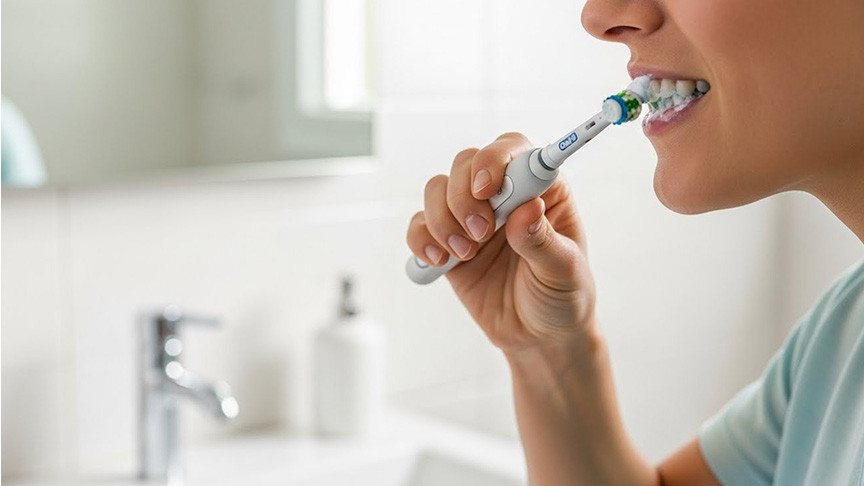
While brushing is essential for oral health, how you brush significantly impacts enamel and gum tissue. Dental professionals frequently see signs of overbrushing — such as enamel wear and gum recession — in patients who apply too much pressure or brush inconsistently. This is why pressure sensors and built‑in timers are important features in electric toothbrush design.
Why Excessive Pressure Can Be Harmful
Many people assume that brushing harder cleans better, but clinical experience suggests the opposite. Excessive force can:
Wear down enamel near the gumline
Increase tooth sensitivity
Contribute to receding gums
Pressure control ensures plaque is removed effectively without compromising tooth or gum structure.
How Pressure Sensors Protect Enamel and Gums
Pressure sensors alert users when brushing force exceeds recommended levels, providing real‑time feedback that encourages gentler, more controlled brushing.
Benefits include:
Reducing unnecessary enamel wear
Helping prevent gum irritation and recession
Reinforcing proper brushing habits over time
Timers Promote Balanced, Even Brushing
Brushing time plays a key role in effective plaque removal. Built‑in timers help by:
Encouraging consistent brushing duration
Preventing rushed or uneven cleaning
Promoting methodical coverage of all quadrants
Some timers even provide interval cues to help distribute brushing time evenly across the mouth.
Brushing Modes Explained: Tailoring Oral Care to Individual Dental Needs
Modern electric toothbrushes support a range of modes that help match brushing intensity and motion to specific dental needs while maintaining effective plaque removal.
Daily Clean: The Foundation of Everyday Oral Care
This mode delivers consistent brushing action suitable for most users and is often recommended twice daily. It supports:
Effective plaque removal
Balanced cleaning across teeth and the gumline
Establishing a consistent, dentist‑recommended routine
Sensitive Mode: Gentle Care for Sensitive Teeth
Sensitive mode reduces brushing intensity while maintaining controlled movement — helpful for people with enamel wear or exposed dentin. It can:
Minimize discomfort
Maintain daily cleaning without excessive force
Gum Care Mode: Supporting Healthier Gums
Designed to clean gently along the gumline, this mode uses softer motion patterns to support gum health. It can:
Stimulate gum tissue
Focus on plaque removal near the gumline
Reduce irritation from brushing
Whitening Mode: Targeting Surface Stains
Whitening modes combine varied speeds or polishing motions to enhance surface stain removal without aggressive scrubbing. While not a replacement for professional whitening, they can help:
Reduce visible surface discoloration
Maintain a brighter‑looking smile over time
Choosing the Right Mode for Your Needs
Dental professionals often encourage patients to select brushing modes based on comfort and oral health status. The flexibility to switch modes allows users to adapt routines as needs change — whether managing sensitivity or focusing on gum health.
Electric vs. Manual Toothbrushes: A Dental Health Comparison
When choosing between electric and manual toothbrushes, dental professionals focus on oral hygiene outcomes rather than brand claims. Both can support good oral health when used correctly, but differences in design and usability influence consistency and effectiveness over time.
Plaque Removal Effectiveness
Manual brushing depends heavily on personal skill, including angle, pressure, and duration. Electric brushes offer:
Controlled, repeatable motion
Timers to encourage a full two‑minute session
Reduced likelihood of missed areas
Impact on Gum Health
Gum health is tied to plaque control and brushing pressure. While manual brushes offer full control, they lack built‑in feedback. Electric brushes may:
Reduce gum irritation
Help prevent overbrushing with pressure sensors
Promote gentler, more consistent motion
Ease of Use and Consistency
Electric brushes can simplify daily habits by providing guiding features, while manual brushes remain effective when proper technique is consistently applied.
Cost, Accessibility, and Practical Considerations
Manual toothbrushes are affordable and accessible, whereas electric options require investment and brush head replacements. Dental professionals often emphasize that:
A well‑used manual toothbrush is better than a poorly used electric one
Electric options may help users who struggle with technique
Ultimately, comfort, routine, and individual needs should guide the choice.
Long‑Term Oral Health Benefits of Using an Electric Toothbrush
Long‑term oral health is shaped by daily habits. Consistent, effective brushing is a key factor in preventing cavities, bad breath, and gum issues.
Supporting Cavity Prevention
Cavities develop when plaque remains long enough for bacteria to produce acids that weaken enamel. Built‑in timers and consistent motions help:
Encourage full brushing
Reduce missed areas
Support uniform plaque removal
Over time, this may help lower the risk of enamel breakdown.
Fresher Breath Starts With Better Daily Cleaning
Persistent bad breath often stems from bacteria buildup. Consistent electric brushing can:
Disrupt plaque biofilm more effectively
Improve gumline cleaning
Encourage complete brushing routines
When combined with flossing and tongue cleaning, these habits contribute to fresher breath.
Healthier Gums and Improved Dental Checkups
Patients who maintain effective routines often show:
Less plaque buildup
Reduced gum inflammation
Fewer areas of concern at checkups
Prevention‑focused home care can make clinical visits shorter and more straightforward.
Who Can Benefit Most From an Electric Toothbrush?
Electric toothbrushes are often recommended not as universal replacements, but as practical solutions for people facing specific oral hygiene challenges.
Patients With Braces or Orthodontic Appliances
Appliances create places where plaque collects. Electric brushes can:
Provide consistent motion around hardware
Improve access to hard‑to‑reach areas
Individuals With Sensitive Gums
For those prone to irritation, electric features like:
Gentle modes
Pressure sensors
Controlled motion
can balance effective cleaning with comfort.
People With Limited Dexterity
Those with mobility challenges may find electric brushes:
Easier to hold
Less physically demanding
More reliable for consistent cleaning
Patients With Dental Appliances
Retainers, bridges, and implants require consistent plaque control. Electric brushes can:
Improve precision
Encourage tooth‑by‑tooth cleaning
Help maintain dental work
Dental professionals emphasize that the best toothbrush is one a patient uses effectively and consistently.
Key Dental Hygiene Tips to Maximize Your Brushing Routine
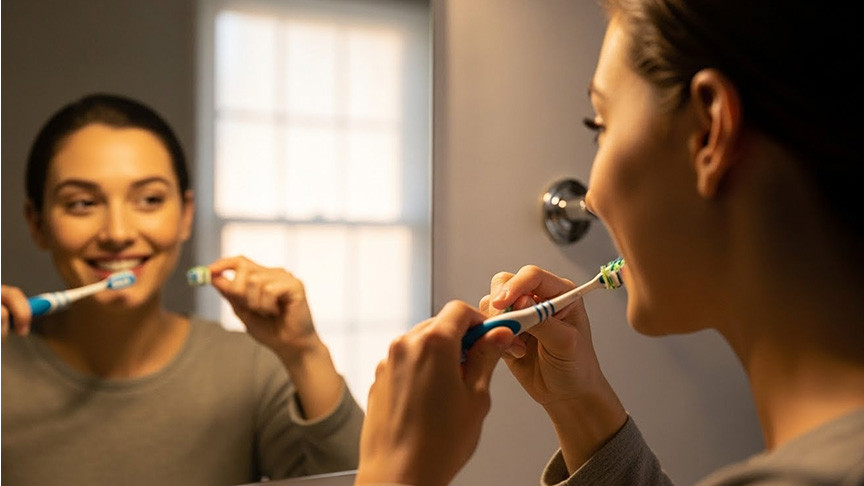
Electric toothbrushes can support daily oral care, but technique and habits are just as important as the tool itself.
Use the Right Technique — Let the Brush Do the Work
Common dentist‑recommended tips include:
Hold the brush lightly and guide it tooth by tooth
Angle toward the gumline
Avoid scrubbing; let the motion do the work
This helps protect enamel and prevent gum irritation.
Brush for the Full Two Minutes
Follow the built‑in timer, divide your mouth into four sections, and spend equal time on each. This supports more even plaque removal.
Replace Brush Heads Regularly
Worn bristles are less effective and can be harsher. Replace brush heads every three months, or sooner if frayed.
Don’t Skip Flossing and Interdental Cleaning
Even the most advanced brush can’t clean between teeth. Complement brushing with daily flossing or interdental tools.
Use Toothpaste and Settings That Match Your Needs
Dental professionals often recommend:
Fluoride toothpaste for enamel strength
Sensitive or gum care modes if needed
Adjusting brushing settings as needs change
Maintain Regular Dental Checkups
Even excellent home care doesn’t replace professional exams. Dentists use checkups to identify early issues, assess brushing effectiveness, and offer guidance.
By combining consistent brushing with professional care, patients can better maintain oral health between visits.
Final Verdict: Is an Electric Toothbrush a Smart Choice for Dental Health Maintenance?
From a dental health perspective, choosing a toothbrush is less about brand and more about how well it supports effective, consistent oral hygiene.
How Electric Features Align With Dental Best Practices
Features such as oscillating‑rotating motion, pressure feedback, and timers are designed to reinforce proper brushing habits rather than replace them. These elements may help:
Support consistent plaque removal
Reduce risk of enamel and gum damage
Encourage routines aligned with professional guidance
A Balanced View on Effectiveness
Electric toothbrushes are not required for good oral health. Manual brushes can be effective when used correctly and consistently. However, many patients find it easier to maintain recommended habits with tools that provide guidance and feedback.
In this context, electric toothbrushes can be a practical choice for:
People seeking support for plaque control
Individuals with sensitive gums or dexterity challenges
Those looking to improve consistency
Informed Decision‑Making Matters Most
From a dental‑focused perspective, electric toothbrush features align well with preventive oral care goals. Their value lies not in marketing claims, but in how they support daily habits that influence long‑term outcomes, such as cavity prevention, gum health, and cleaner dental checkups.
Ultimately, the most important factor is selecting a brushing solution that fits individual needs, encourages consistency, and supports dentist‑recommended oral hygiene practices over time.