 Mar 07, 2025 - 0
Minutes read
Mar 07, 2025 - 0
Minutes read
Sleep, Heart Rate and You: Fitbit Fitness Tracker Review for Everyday Wellness
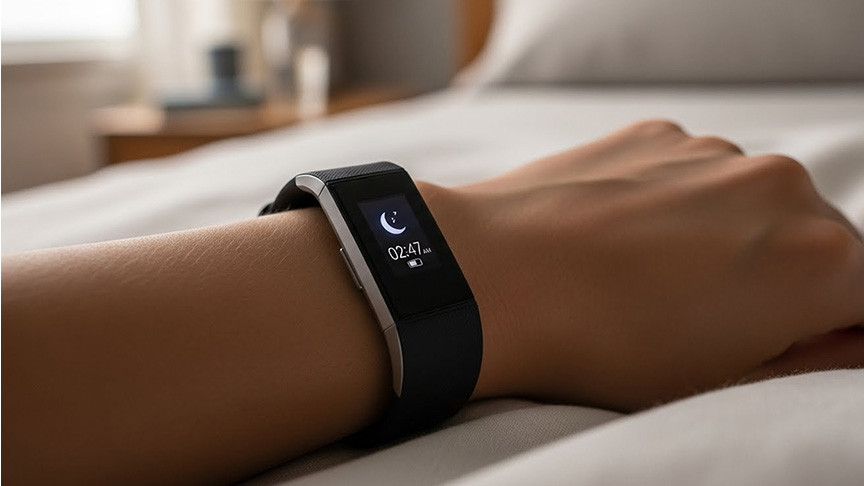
Fitbit at a Glance: Wellness Tech That Moves With You
Fitbit has become a staple in the world of wearable wellness technology, offering users an accessible way to stay informed about their health throughout the day. As a fitness tracker, it blends seamlessly into everyday life, collecting valuable data without disrupting routines. From monitoring heart rate and steps to tracking sleep and stress levels, Fitbit provides a real-time snapshot of personal wellness, helping users make informed choices.
Some of our links may be affiliate links and if you buy through our link, we might generate some commissions.
Its intuitive design and user-friendly interface make it easy to engage with key health metrics—whether you’re looking to maintain a daily step goal, improve sleep habits, or simply stay more active. With a companion app that syncs data across devices, Fitbit creates a holistic view of your health journey. It’s more than just a step counter; it’s a personal wellness assistant designed to move with you.
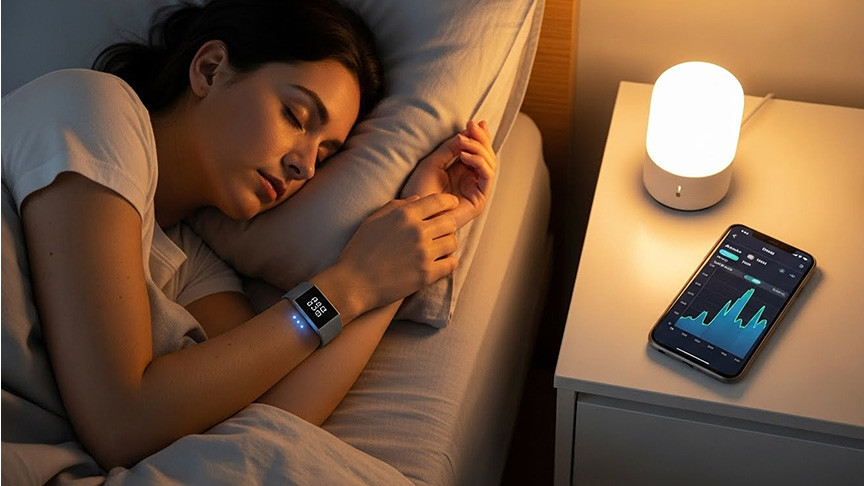
Tracking While You Dream: Sleep Monitoring That Makes Sense
Fitbit takes the guesswork out of sleep tracking by automatically monitoring your rest while you sleep. It captures a range of sleep metrics to provide a clearer picture of your nightly patterns and overall sleep quality.
Key sleep insights include:
Sleep duration – Tracks total time spent asleep, including naps.
Sleep stages – Detects transitions between light, deep, and REM sleep stages.
Restlessness and awakenings – Identifies periods of wakefulness or disrupted sleep.
Sleep score – Summarizes overall sleep quality in a single, easy-to-read number.
All this data is synced to the Fitbit app, where users can explore trends over time, set sleep goals, and receive personalized tips. With this level of insight, Fitbit empowers users to fine-tune their routines and better understand how sleep impacts their energy, focus, and overall wellness.
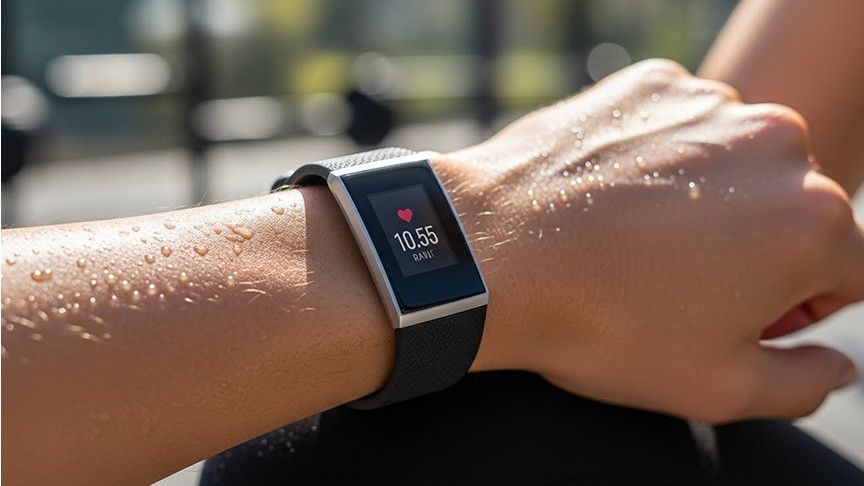
From Resting to Racing: Heart Rate Monitoring, 24/7
Fitbit’s continuous heart rate tracking provides real-time insight into how your heart responds throughout the day—whether you’re at rest, mid-workout, or recovering. Powered by its proprietary PurePulse® technology, Fitbit monitors your heart rate 24/7 without the need for manual input or external sensors.
Here’s how Fitbit captures and uses heart rate data:
Resting heart rate – Measures your baseline cardiovascular health over time, offering a key indicator of overall fitness.
Active zone minutes – Tracks time spent in specific heart rate zones to help users optimize workouts and hit fitness goals.
High and low alerts – Sends notifications when heart rate readings fall outside typical thresholds, helping flag potential health concerns.
Sleep tracking integration – Enhances sleep analysis by correlating heart rate with sleep stages and recovery.
By analyzing fluctuations throughout the day and night, Fitbit offers a more complete view of heart health. This constant monitoring not only supports fitness training but also promotes everyday wellness by helping users understand how stress, activity, and rest affect their heart over time.
Why Sleep + Heart Rate Matter More Than You Think
Sleep and heart rate aren’t just isolated metrics—they’re foundational to your overall health. When tracked together, they reveal how well your body is recovering, how it handles stress, and how prepared you are for physical and mental demands.
Quality sleep plays a critical role in regulating everything from mood and memory to immune function and metabolism. During deep and REM sleep stages, your body repairs tissues, consolidates memories, and restores energy levels. At the same time, your heart rate naturally slows, offering a window into how well your body is resting.
On the flip side, a consistently elevated resting heart rate or frequent nighttime spikes can indicate stress, overtraining, or even underlying health issues. Monitoring these patterns over time can highlight imbalances before they become more serious.
By syncing sleep and heart rate data, Fitbit helps users:
Recognize patterns in stress and recovery
Adjust daily routines for better rest and energy
Make informed decisions about fitness, sleep hygiene, and self-care
Together, sleep and heart rate form a powerful picture of wellness. Understanding this connection is key to building healthier habits that last.
Insights, Not Just Numbers: What Fitbit’s Data Tells You
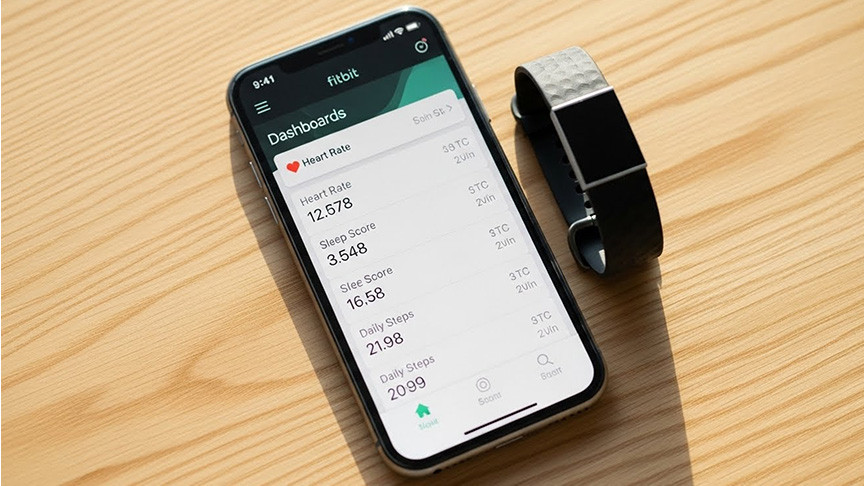
Raw data alone isn’t enough to improve health—it’s the insights behind the numbers that drive meaningful change. Fitbit goes beyond basic tracking by translating your daily metrics into clear, actionable trends. Whether you’re monitoring activity, sleep, or heart health, the Fitbit app organizes your data in ways that are easy to understand and apply.
Here’s how Fitbit turns numbers into insights:
Daily dashboards – Visual summaries of your steps, heart rate, sleep, and more, helping you quickly spot what’s on track and what needs attention.
Trend analysis – Week-to-week or month-to-month comparisons reveal long-term patterns in sleep quality, activity levels, and resting heart rate.
Personalized recommendations – Based on your habits, Fitbit suggests achievable goals and lifestyle adjustments tailored to your health trends.
Health metrics dashboard – For more advanced insights, users can track variations in breathing rate, skin temperature, and heart rate variability—often early indicators of stress or illness.
This layered approach helps users move beyond daily stats to understand their broader health narrative. With Fitbit, data becomes a tool for building healthier habits—not just a series of numbers to check.
The Silent Coach: Fitbit’s Smart Nudges & Alerts
Fitbit functions as more than a tracker—it’s a silent coach, offering subtle yet effective prompts to guide healthier decisions throughout the day. By combining real-time data with smart notifications, Fitbit helps users stay mindful of their goals without being disruptive.
Key features that support behavior change include:
Move reminders – Gentle nudges to stand up and move each hour, helping reduce sedentary time and improve circulation.
Heart rate zone alerts – Real-time notifications during workouts let users know when they’ve entered target zones for fat burn, cardio, or peak performance.
Sleep schedule tips – Personalized bedtime reminders and insights encourage consistent sleep routines, which support better recovery and energy levels.
Stress and mindfulness prompts – When elevated heart rates or irregular patterns are detected, Fitbit may suggest guided breathing exercises to help users reset.
These built-in cues act as low-effort motivators, helping users build healthy routines gradually. Over time, these consistent nudges contribute to long-term behavior change—without requiring users to constantly check their devices.
Comfort Counts: Wearability & Battery Life in Daily Use
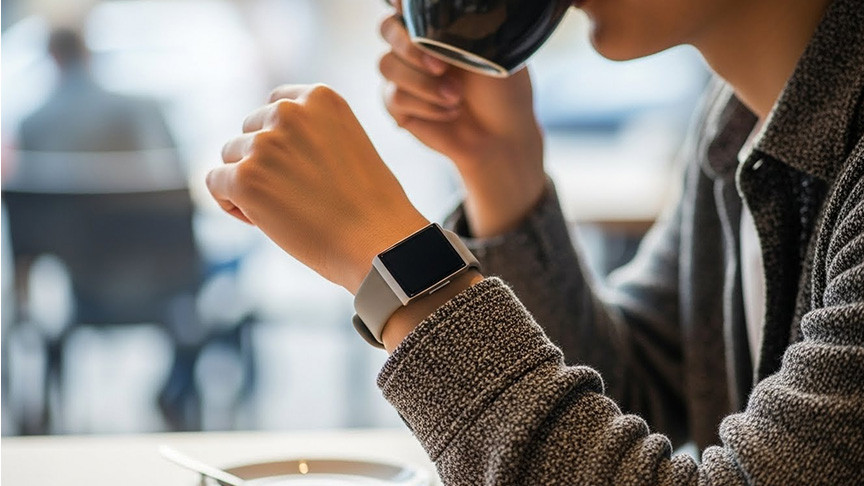
A fitness tracker only works if you actually wear it—and Fitbit’s design keeps that in mind. Built for all-day and overnight use, Fitbit devices are lightweight, breathable, and discreet enough to blend into your daily routine without discomfort or distraction.
Fitbit’s form factor supports:
All-day wearability – Slim profiles and soft, flexible bands ensure comfort whether you’re working out, commuting, or sleeping.
Overnight tracking – Designed to stay in place without irritation, even during sleep, making it easier to capture continuous data on sleep stages and heart rate.
Water resistance – Many models are swimproof or water-resistant, allowing for wear during showers, workouts, and even pool sessions.
Battery life is another standout. Most Fitbit devices deliver up to 5–10 days on a single charge, depending on the model and usage. This extended battery life minimizes interruptions and encourages consistent data tracking, which is key to generating accurate health trends.
By prioritizing comfort and convenience, Fitbit ensures that users can wear their device around the clock—gathering the insights they need without sacrificing wearability.
User Voices: Real Stories of Better Sleep & Awareness
Hearing how people use Fitbit in their everyday lives can bring its health insights to life. Here are a few anonymized stories that reflect real experiences many users share:
• “Finally slept through the night.”
“I always thought I slept fine—until I saw my Fitbit sleep patterns. The nightly breakdown showed I was waking up more often than I realized. With the app’s suggestions, I shifted my bedtime routine and now consistently hit deeper sleep stages. I feel more refreshed in the mornings.” — Early riser
• “Heart rate alerts changed my workouts.”
“During cardio classes, I used to overexert myself without realizing it. With heart rate zone alerts, I learned to pace better. Now I work smarter, not harder, and my endurance has noticeably improved.” — Fitness enthusiast
• “Small nudges, big impact.”
“Those gentle move reminders seemed trivial at first, but over weeks they helped me break long sedentary stretches at work. I didn’t just move more—I felt more alert and productive.” — Office professional
• “Tracking helped me reset habits.”
“Seeing how late-night screen time correlated with poorer sleep scores was eye‑opening. I cut back on late scrolling, and my Fitbit data confirmed I was resting better. It helped me actually stick to a healthier routine.” — Graduate student
These stories show how Fitbit’s insights can translate into real changes—whether it’s improving sleep quality, refining workouts, or simply becoming more aware of daily habits.
Fitbit vs. Your Health Goals: Is It the Right Match?
Choosing the right wellness tool depends on what you want to achieve—and Fitbit is designed to meet a wide range of health and fitness goals. Whether you’re aiming to be more active, sleep better, manage stress, or monitor heart health, Fitbit offers features that align with those objectives.
Here’s how Fitbit can support different goals:
For beginners – If you're starting out, Fitbit’s daily step counts, move reminders, and intuitive dashboard make it easy to build awareness and stay motivated.
For fitness-focused users – Heart rate zone tracking, Active Zone Minutes, and workout summaries help fine-tune performance and optimize training.
For wellness and recovery – Sleep scores, stress management tools, and health trends offer insights that go beyond workouts, supporting a more holistic view of well-being.
For goal-oriented tracking – From hydration logging to weight goals and guided programs, the Fitbit app helps you stay focused and adjust as needed.
Ultimately, Fitbit isn’t a one-size-fits-all solution—it’s a flexible tool that adapts to your evolving needs. If your health journey involves building better habits through awareness and small, consistent changes, Fitbit may be a strong match. The key is defining your goals and using the insights to guide your next step.
Final Take: A Small Device That Promotes Big Change
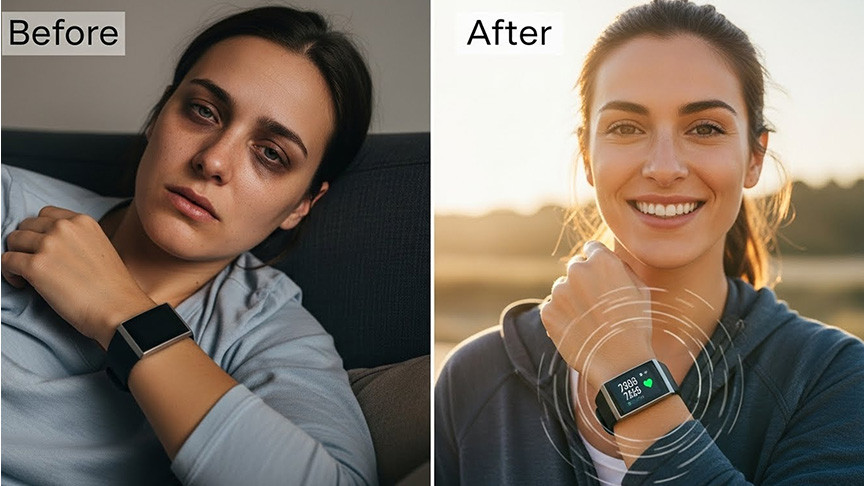
At its core, Fitbit isn’t just a piece of tech—it’s a quiet companion that helps you stay connected to your health in meaningful ways. By translating everyday movements, heartbeats, and sleep cycles into clear insights, it empowers users to make small, informed changes that add up over time.
Whether you’re aiming to build healthier routines, improve sleep, or understand how stress affects your body, Fitbit provides the data and tools to support that journey. Its comfort, battery life, and thoughtful features make it easy to wear—and even easier to stick with.
While no device can do the work for you, Fitbit helps bridge the gap between intention and action. And for many, that’s the first real step toward lasting change.