 May 09, 2025 - 0
Minutes read
May 09, 2025 - 0
Minutes read
TP-Link WiFi Router for Home Use: Real-World Speed and Coverage Tested
Why Coverage and Speed Matter for Everyday Home Internet
In today’s connected homes, internet performance affects almost everything you do online—from streaming your favorite shows to staying productive at work. Coverage and speed aren’t just nice to have—they’re critical for keeping things running smoothly, especially as more devices share the connection.
Some of our links may be affiliate links and if you buy through our link, we might generate some commissions.
Streaming without interruptions
Whether watching 4K movies, following live sports, or joining a video call, consistent speed is the difference between smooth playback and frustrating buffering. Poor coverage can slow things down in distant rooms, resulting in dropped streams or reduced quality. Whole-home coverage ensures every screen performs reliably.
Work-from-home reliability
Remote work requires stable connections for meetings, cloud tools, and file sharing. Dead zones or uneven speeds can hinder productivity. Broad coverage lets you work from any room, and fast speeds support simultaneous tasks—especially where more than one person works remotely.
Low latency for gaming and real-time activities
Gaming and other real-time apps rely on speed and responsiveness. Weak signals can cause lag or sudden disconnects, especially in larger or multi-level homes. A well-covered network helps maintain smooth, lag-free performance.
Supporting smart homes and multiple devices
Smart TVs, cameras, voice assistants, and appliances all need a stable connection. As device counts grow, so does the demand for bandwidth. A solid network keeps devices online without affecting your laptops, phones, or tablets.
TP-Link routers help strike a balance between speed and coverage, supporting daily demands without overcomplicating setup.
TP-Link WiFi Router: What You Get Out of the Box
A TP-Link WiFi router is designed for dependable performance and simple setup. While features vary, the experience caters to modern households.
What’s included and what it means for everyday use
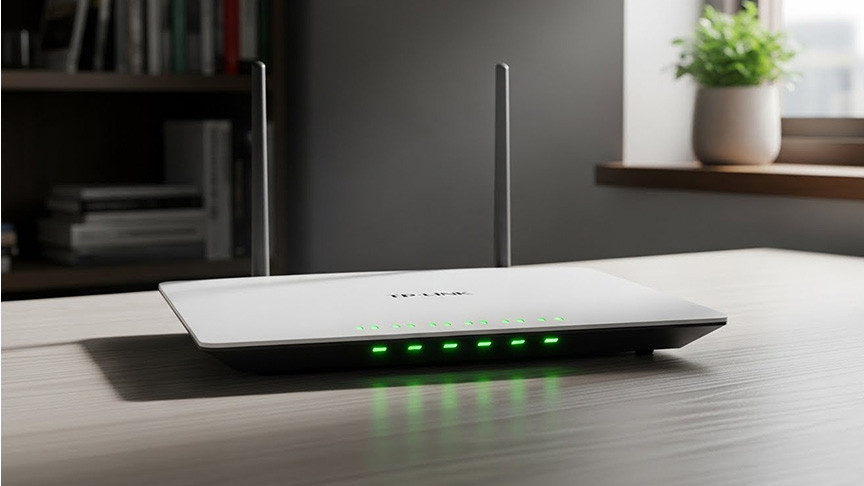
Router type and design: Options range from standard routers to mesh-ready models, with compact designs that fit easily on desks or shelves.
Antennas for consistent coverage: Most models include multiple high-gain antennas, improving signal reach and reducing weak spots.
Dual-band or tri-band WiFi support: Dual-band connectivity helps devices use the best available frequency. Some models include tri-band support for busy homes.
Coverage based on home size: Entry-level models suit smaller spaces; higher-end options handle more devices and larger homes.
Together, these features deliver flexibility and performance for streaming, work, and connected devices.
Real-World Speed Test Results Across the House
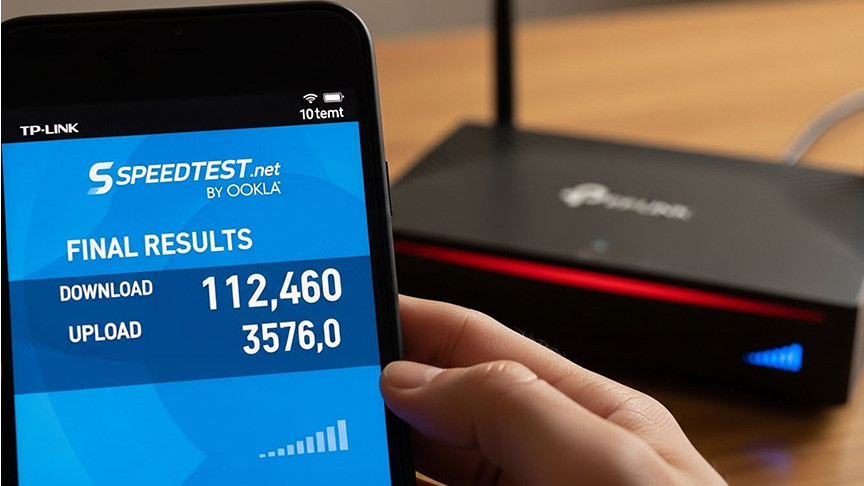
Testing in real homes shows how TP-Link routers perform under typical conditions—not just ideal lab settings.
Speeds near the router
Performance is strongest close to the router:
Fast speeds for 4K streaming and downloads
Low latency for video calls and gaming
Stable connections, even with multiple active devices
These areas are ideal for demanding activities like gaming or remote work.
Performance in mid-range rooms
In bedrooms or offices a room or two away:
HD streaming stays smooth
Video conferencing remains steady
Browsing and smart devices work reliably
Dual-band support helps devices switch frequencies to maintain performance.
Speeds in farther rooms and edge areas
At the home's edges or on other floors:
Stable for browsing and smart devices
Streaming and casual gaming remain usable
Fewer dead zones compared to older routers
Overall, real-world results show steady performance throughout most homes.
How TP-Link Performs Through Walls and Floors
WiFi often struggles with walls, floors, and layout. TP-Link routers are designed to handle these obstacles and maintain usable coverage.
Handling common wall materials
Most interior walls reduce signal strength. TP-Link routers compensate using high-gain antennas and dual-band support, helping with:
Consistent connections in adjacent rooms
Smooth video calls and HD streaming
Smart band switching for better range
Coverage across floors
Floors block signals more than walls. Still, with central placement, a TP-Link router can provide:
Reliable signal upstairs or downstairs
Speeds suitable for general use
Better vertical coverage than older models
Real-world consistency, not perfect conditions
In busy homes with furniture, appliances, and many devices, TP-Link routers focus on steady performance rather than peak speeds.
Fewer drop-offs in active rooms
Consistent signal even under load
Practical performance in real living conditions
WiFi Performance for Streaming, Gaming, and Video Calls
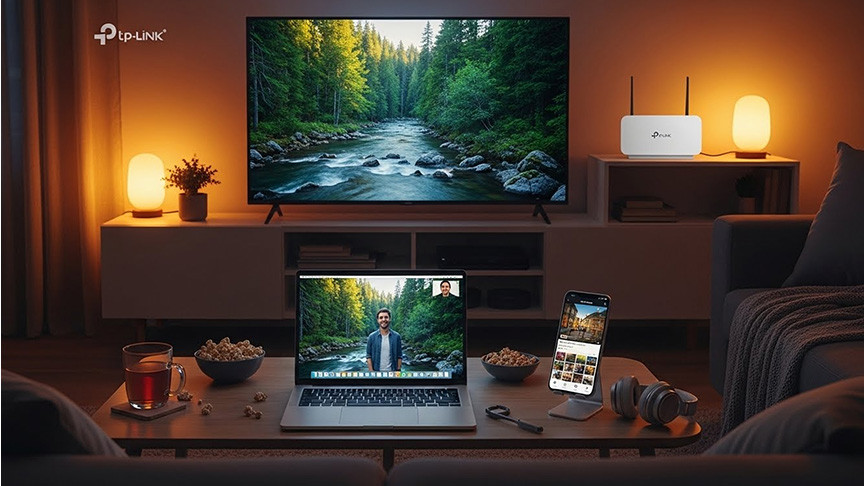
Mbps numbers only matter if they translate to smooth experiences. TP-Link routers prioritize consistency across common activities.
Streaming video without buffering
Most homes need 25–50 Mbps per device for smooth HD and 4K playback:
Reliable streaming in most rooms
Minimal buffering, even with multiple streams
Stable video quality
Responsive gaming performance
Gaming depends on low latency and stability:
Reduced lag
Fewer disconnects
Stronger performance on 5 GHz band
Clear and reliable video calls
Video calls need moderate speeds and reliable connections:
Clear video and audio
Minimal freezing or dropped frames
Smooth performance, even during multiple calls
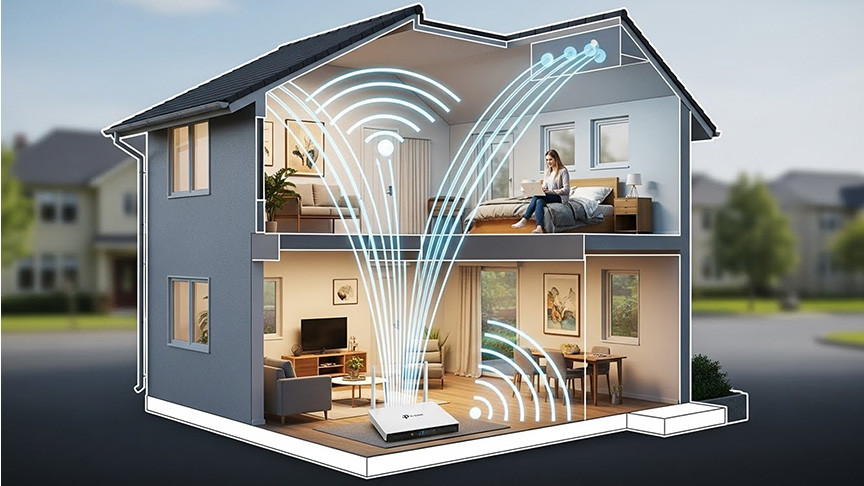
Coverage Consistency: Dead Zones or Stable Signal?
Speed near the router means little if the signal disappears in other rooms. TP-Link routers aim for even coverage, minimizing signal drop-offs.
Room-to-room reliability
Signal gradually decreases with distance:
Steady connections in main rooms
Smooth band switching as devices move
Fewer disconnects than older models
Performance in harder-to-reach areas
Edge rooms or back bedrooms often struggle:
Reliable browsing and messaging
Stable connections for smart devices
Streaming remains usable
Minimizing dead zones in everyday use
Placement matters. TP-Link routers are most effective when centrally located:
Better coverage away from corners
More uniform signal
Less need for repositioning
Single Router vs. Whole-Home Coverage Expectations
TP-Link offers both single routers and mesh systems. Choosing depends on your home size and layout.
Apartments and smaller homes
A single TP-Link router can often cover:
Entire space with consistent signal
Strong speeds across rooms
Little need for extra hardware
Medium-sized homes
A single router can still work with proper placement:
Strong in most areas
Slight drops in far or upstairs rooms
Reliable for daily use
Larger and multi-level homes
A single router may struggle in:
Distant rooms or multiple floors
Layouts with dense walls
Homes with many devices
In these cases, mesh systems offer better overall coverage.
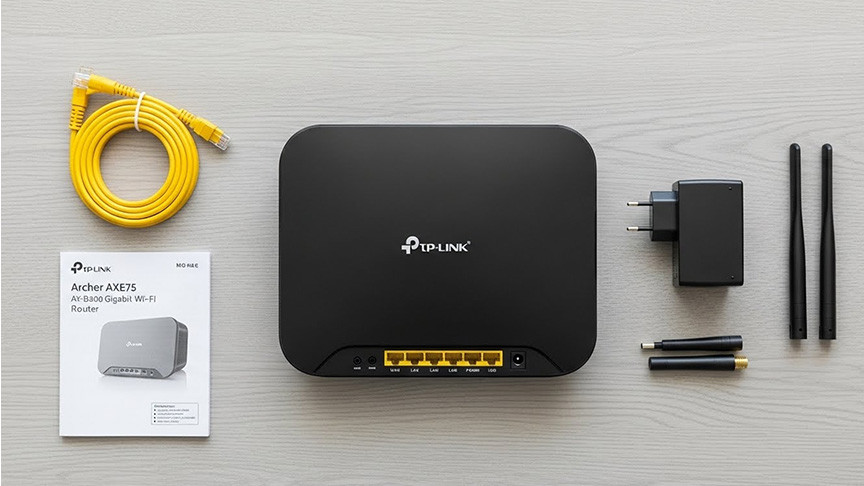
Setup Experience and Its Impact on Performance
WiFi quality starts with setup. TP-Link routers make it easy to optimize your network.
Simple app-based setup
The companion app offers:
Guided hardware and network setup
Password and naming customization
Automatic configuration suggestions
Placement guidance for better coverage
Setup tools recommend ideal placement:
Central, open locations
Better room-to-room coverage
Fewer weak spots
Easy optimization after setup
Apps allow ongoing control:
View and manage connected devices
Prioritize traffic when needed
Apply updates and adjustments easily
How TP-Link Compares to Other Home WiFi Routers in Its Class
In the mid-range category, TP-Link holds its own with a focus on reliable coverage and usability.
Coverage and signal consistency
TP-Link routers deliver:
Predictable signal across rooms
Fewer abrupt dead zones
Comparable wall and floor performance
Real-world speed performance
In typical use, they provide:
Strong speeds near the router
Consistency with multiple devices
Smooth performance for streaming and calls
Setup and everyday usability
Setup is straightforward:
App-based guides
Simple network management
Friendly to non-technical users
Overall value in its category
TP-Link offers a practical blend of performance and simplicity—neither overbuilt nor lacking for everyday needs.
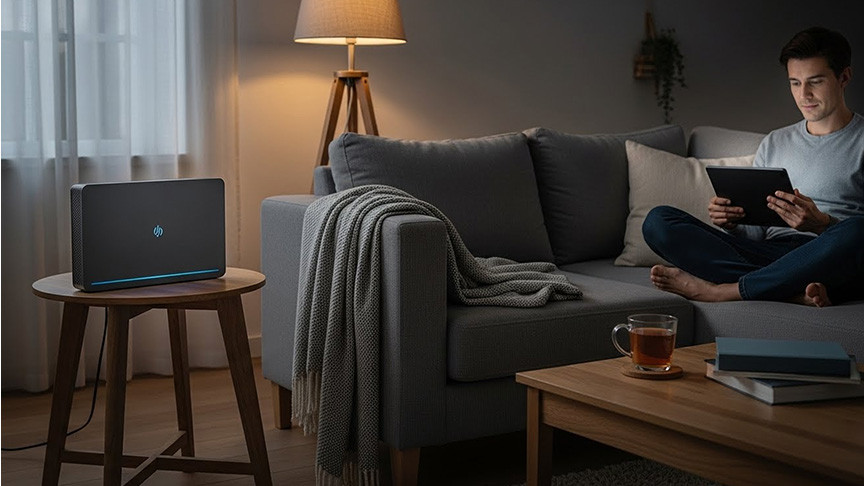
Who This TP-Link WiFi Router Is Best Suited For
This router is a good match for homes needing reliable WiFi without the complexity.
Apartments and smaller homes
Full coverage across all rooms
Speeds suitable for everyday use
No extra gear required
Small families with multiple devices
Handles multiple streams and tasks
Stable connections for daily use
Performs well during busy hours
Remote workers and students
Dependable for video calls and uploads
Coverage extends to home offices
Supports cloud work without dropouts
Casual gamers and streamers
Responsive for casual play
Smooth HD/4K streaming
Fewer interruptions during long sessions
Final Verdict: Is TP-Link a Reliable Choice for Speed and Coverage?
In real homes, TP-Link WiFi routers deliver stable coverage, reliable speed, and user-friendly setup—without chasing top-tier specs. For small to medium homes, a single unit typically offers dependable, room-to-room coverage and good performance under normal use.
Streaming, video calls, and casual gaming remain consistent, even with multiple devices. With thoughtful placement and app-guided setup, users can optimize their network without technical headaches.
TP-Link strikes a practical balance, offering real-world performance that fits everyday needs—making it a reliable option for most households.